





Can Dogs Eat Mandarins? A Complete and Practical Guide
Going to the snow with your dog is a great plan… as long as you prepare it well. In this guide, I’ll tell you firsthand how I evaluate if my dog can handle the cold, what gear I bring, how I protect their paws, and what routines I follow when getting back home. Plus, I answer common questions: Is eating snow dangerous? Boots or balm? Do I need to increase their calories?
Can my dog handle the cold? Signs and most vulnerable profiles
The cold doesn't affect everyone equally. In my experience, there are groups that need an extra layer of care:
- Puppies and seniors. Little ones and older dogs have a harder time regulating their temperature. With puppies, I shorten exposure times and always bring a thin coat; with seniors, I am very strict with breaks and drying.
- Hairless or very short-haired dogs. Think of Xoloitzcuintli, Greyhound, Miniature Pinscher… In my case, if they shiver easily, they head out already wearing a sweater or coat.
- Dogs with pathologies. Cold can worsen arthritis and make them more susceptible to viral processes (kennel cough, flu). If I notice stiffness, I avoid the snow that day and prioritize dry ground.
Signs to cut the trip short: continuous shivering, very cold ears and paw pads, tail tucked between legs, unusual gait, apathy. With two consecutive signs, I head to the car/house and warm them up with a blanket and a dry towel.
Practical time rule: start with 10–15 minute active blocks + a warm-up break. Adjust based on the dog's response and wind chill (wind/humidity matter as much as the temperature).
Preparation before heading out: gear and checklist
Half the success is in the backpack. This is what works for me:
Coats, sweaters, and raincoats: when and how to choose
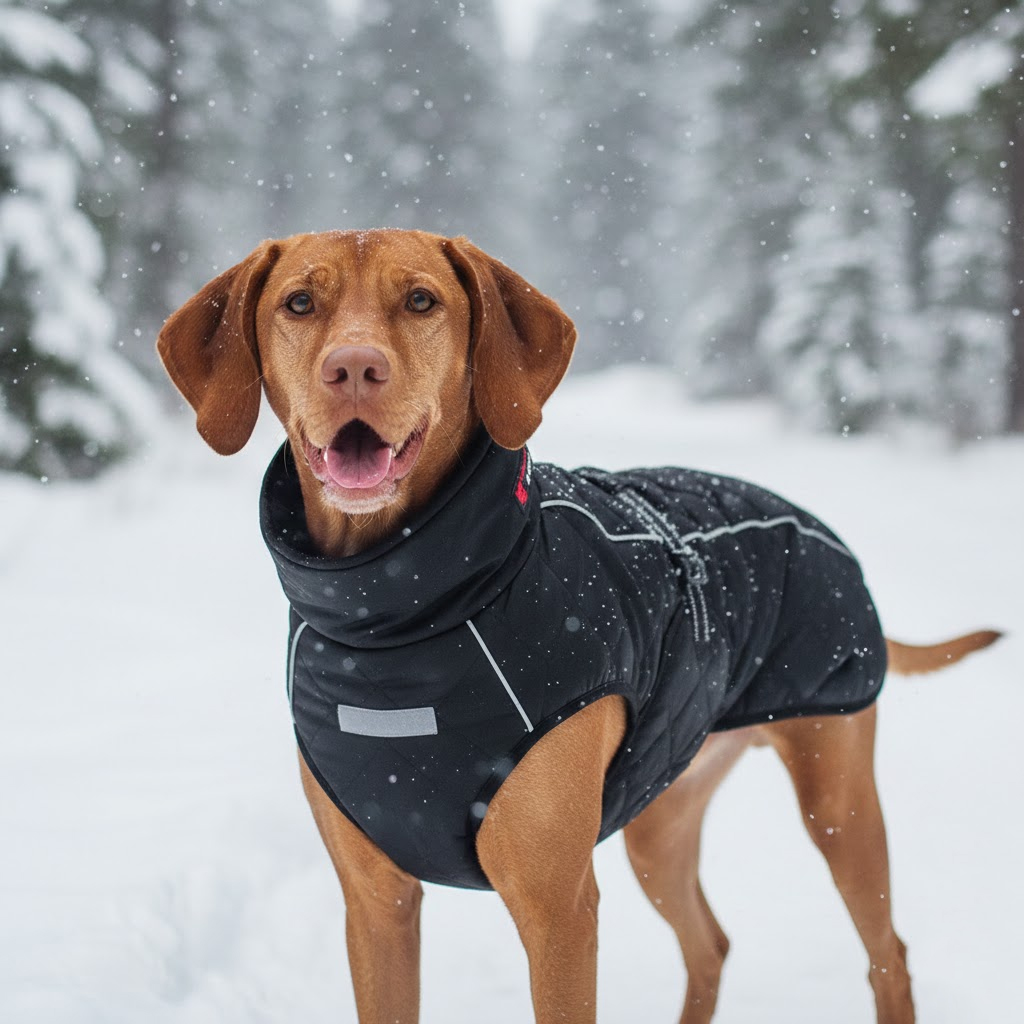
- Coats/sweaters: I use them for small breeds, hairless dogs, or when I see them shivering. I prefer pieces with comfortable closures that don't limit shoulder movement and have a light thermal lining.
- Raincoat: On wet snow or light rain days. If I don't bring one, drying thoroughly upon return is mandatory; I use a towel and, if it's very cold, a blow dryer on a warm setting (never hot and never too close to the fur).
- Hood/high neck: Useful for covering thin ears and reducing heat loss from the wind.
Boots vs. paw balms (and when to avoid Vaseline)
- Boots: In hard snow or on long trails, they have saved us from cold burns and cracks. I choose them with non-slip soles and double Velcro. Tip: train at home for a few days so they don't walk like a "robot."
- Balms/wax: For soft snow or short walks; they seal the paw pad and repel moisture and salt.
- Avoid pure Vaseline: It doesn't offer enough grip or protection, and it can excessively soften the skin. Better to use dog-specific products.
Winter backpack: my checklist
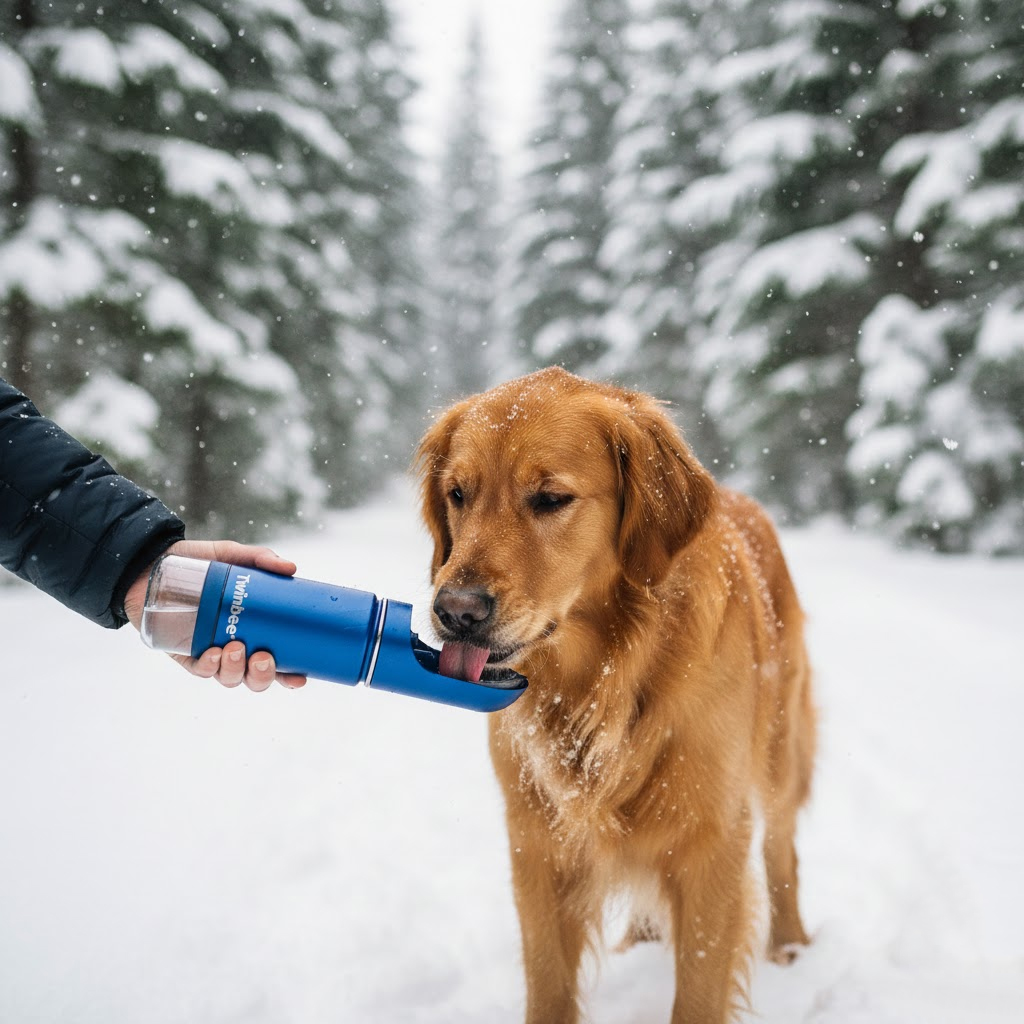
- Water (in the Twinbee portable bottle) and energy snacks.
- Microfiber towel + light blanket.
- Paw balm + basic first aid kit.
- Poop bags, short leash (better than a flexi in snow), whistle, and LED light.
- Copy of phone number on the tag (in case the collar comes off with the coat).
In my case, if I know there will be salt or antifreeze in parking lots, I put the boots on right from the car.
In the snow: minute-by-minute safety
Avoid eating snow, salt, and antifreeze
Snow can carry de-icing salt and traces of antifreeze (ethylene glycol): toxic even in small doses. I don't allow licking puddles or snow from the edges of parking lots. If they swallow clean snow while playing, I stop the game and offer water; this will reduce the risk of gastric irritation.
Exposure time and heat breaks
I alternate active stretches (running, fetching, sniffing) with breaks in the coat/car. If the wind is biting, I cut the session in half. Wind significantly lowers the thermal sensation: don't trust the number on the thermometer.
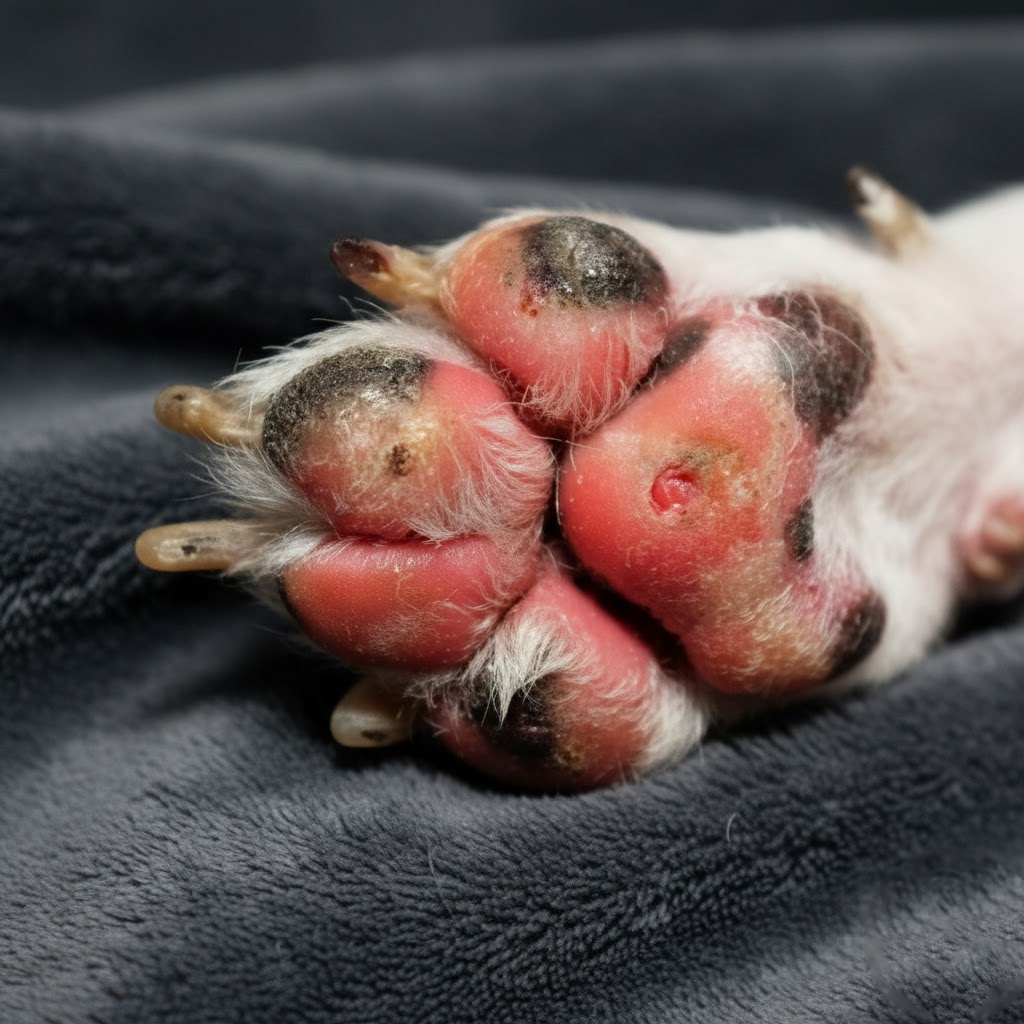
How to act if you see cracks or bleeding on the paws
- Clean with lukewarm water to remove salt/ice.
- Dry thoroughly between the toes.
- Apply balm and let them rest.
- For deep cuts or persistent limping, see a vet.
A trick that works for me: check between the toes every 20–30 minutes; snow "balls" form there which are painful and change their gait.
Coming back home: drying, brushing, and recovery
This is where the battle against the cold is won.
- Thorough drying: towel first, then a warm blow dryer (at a hand's distance). I focus on the chest, belly, and between the toes.
- Bath: If very dirty, I use slightly warm water; otherwise, I use dry shampoo to avoid stripping natural oils in the middle of winter.
- Brushing: Removes dead hair and prevents frost from staying inside the coat. In my experience, brushing after snow reduces tangles and itching.
- Hydration: I offer room-temperature water (ensure the outdoor bowl isn't frozen).
- Quick check: I look at ears, paw pads, and armpits for any redness. If there is stiffness when moving, rest and warmth.
Feeding and energy in winter
There's an important nuance here that few guides mention.
Indoor dogs: increase calories?
If the dog lives in a temperate environment, I don't increase calories automatically. I keep their usual portion and focus on hydration and recovery after activity.
Outdoor dogs: portion adjustment and supplements
When they sleep or spend many hours outside, the body spends more energy maintaining temperature. In those cases, I do increase caloric intake and check the quality (good sources of protein and fat). If there's a lot of snow activity, I add energy snacks during the outing.
In my case, the practical rule is +5–10% portion on days of intense cold activity, monitoring weight and stools for fine adjustments.
Home and outdoors: bed, kennel, and water
- Bed: Plush and with blankets that retain heat. Place it away from drafts.
- Kennel: If spending time outside, it should be robust wood, insulated from the ground, leak-proof, with a mattress and dry blankets. Plastic gets colder and condenses moisture.
- Water: Check daily that the bowl isn't frozen; if outdoors, use insulated or thick silicone containers.
Quick FAQs about dogs and snow
How long can a dog stay in the snow?
It depends on size, coat, wind, and activity. As a starting point: 10–15 active minutes + a heat break, and only extend if they look comfortable (no shivering or cold paws).
Does my dog need sunscreen?
In high mountains or very clear days, yes: the reflection on the snow burns. I use dog-specific sunscreen on the nose and thin ears.
Boots or balm?
Hard snow/heavy salt: boots. Soft snow/short walk: balm/wax. On long routes, I combine: balm before + boots.
Can I give them ice or let them eat snow?
Better not. Ice can irritate the throat and stomach; snow may contain salt or chemicals. Offer room-temperature water.
Which dogs are most vulnerable?
Puppies, seniors, hairless or very short-haired breeds, and dogs with arthritis or respiratory issues.
Conclusion: Snow and dogs do go together… if you plan ahead. Evaluate your companion's tolerance, gear up well, and pamper the drying process upon return. Your dog doesn't need heroics; they need warmth, hydration, and common sense. ?
Leave a Reply Cancel Reply