




What is a dog's nose called? (and what it says about their health)
A fact that will interest you as a owner and that 90% of people don't know: your dog's nose is called a rhinarium (or "truffle" in many cultures). Beyond the name, it tells a story about identity, scent, and health that you should know if you live with a furry friend.
1) The Dog's "Truffle": What it is and why it's unique
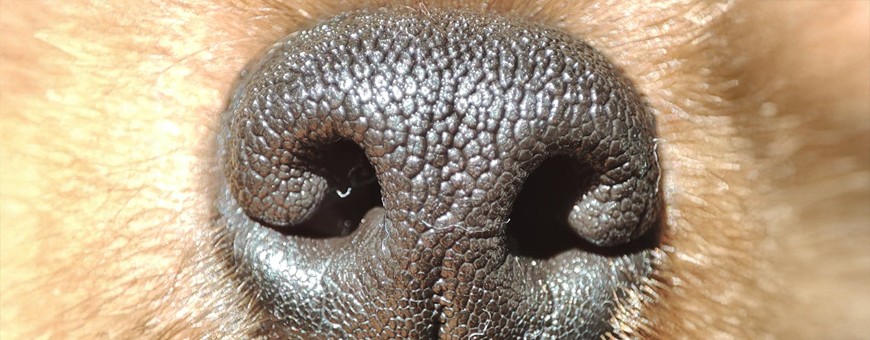
The truffle is the external, black (sometimes brown or pinkish), and moist part at the tip of the snout. The first thing you should know is that no two noses are the same: their pattern of ridges and grooves is unique to each dog, much like our fingerprints.
Nasal Ridges and Patterns
If you look closely (ideally in good light), you will see small ridges and lines. This nasal pattern is stable throughout adult life; therefore, in some countries, there are already initiatives to register the nose as a method of pet identification, similar to how we use microchips or human fingerprints. While not yet a universal standard, it points toward a future where a simple photo of the nose could help reunite you with your dog if they get lost.
2) Why is the nose usually wet? (and when to worry)
A slightly moist and cool nose is normal and, in fact, very useful. In my experience, "a wet nose can help capture scents better," because that watery film traps odor particles and improves sensitivity.
However, a dry nose doesn't automatically mean illness. It can be dry after sleeping, due to heating, wind, sun, intense exercise, or simply the passing of time. I always clarify: "a dry nose isn't always a cause for concern, but it can signal health problems" if accompanied by cracks, scabs, bleeding, thick discharge, pain, or lethargy. In those cases, it’s time to call the vet.
Wet vs. Dry Nose: Context Matters
- Timing: It might be drier right after waking up or sunbathing.
- Environment: Very dry air or extreme cold can cause dryness.
- Hydration: If you also notice dry gums or lethargy, check their water intake and consult a professional.
3) Canine Super-smell: How they "smell in stereo"
It’s not a myth: a dog's sense of smell is estimated to be between 10,000 and 100,000 times more acute than a human's. This advantage comes from more olfactory receptors and their way of smelling: they inhale and exhale so that scents are constantly "updated," allowing them to compare what enters through each nostril, as if smelling in stereo.
When I explain this to owners, I summarize it like this: if your dog seems to "see with their nose," it's because their primary world is one of scent. Therefore, sniffing is not a waste of time—it is vital mental stimulation.
4) Nasal prints to identify dogs: What we know today
A nose leaves a nasal print. Today, there are apps and pilot projects that map this print for identification. Does it replace the microchip? Not for now. Think of it more as an extra layer that could facilitate immediate identification (via a photo) in everyday situations.
My practical advice: If your local area allows it, keep a clear photo of the nose along with front and profile photos of your dog. It doesn't replace legal obligations, but it helps.
5) At-home care: Cleaning, quick checks, and warning signs
The nose doesn't require "cosmetics," but it does need gentle and regular checks. I do this during petting sessions so it stays a positive experience.
Express Checklist (1 minute):
- General Appearance: Smooth or slightly bumpy, no scabs.
- Moisture: Cool, no thick discharge.
- Color: Consistent for your dog (some noses lighten in winter: "snow nose").
- Texture: No deep cracks or pain when touched.
- Breathing: Quiet, no persistent whistling sounds.
Basic Hygiene:
- If there is mud or dried food, clean with a gauze dampened in warm water.
- Avoid human creams or Vaseline unless directed by a vet.
- Protect from the sun in breeds or climates with high radiation (use pet-safe products).
When to consult a vet:
- Thick/greenish or bloody discharge.
- Scabs that don't improve within 48–72 hours.
- Evident pain, continuous sneezing, fever, or apathy.
- Sudden color changes combined with sores.
Final recommendation: Check your pet's nose regularly; it gives you early clues about their overall well-being.
6) Quick FAQ
What is a dog's nose called? It is scientifically called the rhinarium, but often referred to as the "truffle" or simply the nose.
What is the name for the black, wet part of a dog's snout? The truffle or rhinarium.
What is a dog's muzzle? The muzzle includes the snout, mouth, and nose; the visible nasal part is the truffle.
Does a dog have a nose or a snout? They have both: the snout (or muzzle) includes the jaw and nose area; the nose consists of the external truffle and internal olfactory structures.
Leave a Reply Cancel Reply