





Fleas in Dogs: 6 Effective Home Remedies & Environment Control Guide
When someone searches for "fleas," they usually need a quick and practical solution: either the dog is scratching non-stop, or there are already signs at home (bites, black spots, discomfort). To prevent the problem from becoming a cycle, it is best to follow a comprehensive approach: confirm the presence of fleas, treat the dog, and, at the same time, treat the environment to break the cycle.
Important: Home remedies can help as support and as repellents in mild or moderate cases. If there is a heavy infestation, a very small puppy, or skin lesions, it is recommended to visit a veterinarian and use an appropriate antiparasitic treatment.
How to tell if a dog has fleas (and not something else)
Fleas are small and fast, but they leave fairly clear signs.
Typical signs in the dog
- Frequent scratching (often on the back, base of the tail, groin, and belly).
- Persistent licking or nibbling of specific areas.
- Irritated, reddened skin or small scabs if the problem has persisted for days.
- In sensitive dogs, a more intense allergic reaction may appear.
“Flea dirt” and where to check
A common clue is black dots (flea feces) in the coat. They are usually best seen at the base of the tail and the back. In the home, the most common hotspots are:
- dog bed and blankets
- sofas and cushions
- rugs and carpets
- floor joints, baseboards, and corners
Before applying remedies: breaking the cycle at home (in 20 minutes)
Many relapses occur because the dog is treated, but the environment is not. The flea goes through a cycle (egg → larva → pupa → adult), and a large part of the immature stages accumulate in textiles and corners.
Key areas: sofa, rugs, dog bed, and crevices
Quick and effective plan:
- Wash textiles (bedding, blankets, covers) at the highest temperature the fabric allows.
- Thoroughly vacuum rugs, sofas, corners, and under furniture.
- Empty the vacuum cleaner outside or dispose of the bag immediately.
As support, a citrus mixture (explained below) can be used to spray rugs and crevices after vacuuming, always testing first on an inconspicuous area in case the fabric stains.
Why they “come back”
If they reappear shortly after, it is usually not bad luck: new fleas may be emerging from the environment. Consistency over several days (and sometimes weeks) is key.
6 home remedies for fleas in dogs (step by step)
Below are six common natural alternatives, along with their usage and precautions.
1) Citrus (lemon/orange): 3 ways to use
A) Rubbing on the coat
Gently rub the coat with lemon or orange slices. Avoid eyes, snout, and irritated skin.
B) Homemade citrus spray
Boil 1 liter of water with lemon slices. Let it sit overnight and strain. The next day, spray onto the coat with a light mist (without getting near the eyes and snout).
C) Use in the home
The same mixture can be sprayed on rugs, corners, and crevices as a supplement to vacuuming.

2) Vinegar: bath, spray, and precautions
Vinegar can act as a repellent due to its strong odor.
Bath: Mix 1 cup of vinegar with 1 cup of dog shampoo. Massage in, leave for a few minutes, and rinse.
Repellent spray: Mix water and apple cider vinegar at 50% in a spray bottle. Apply a light mist and brush.
Precautions: On sensitive, irritated skin or wounds, vinegar can cause stinging. “Internal” use (adding vinegar to water) is a controversial point and is not essential for flea control; if considered, a veterinarian should be consulted first.
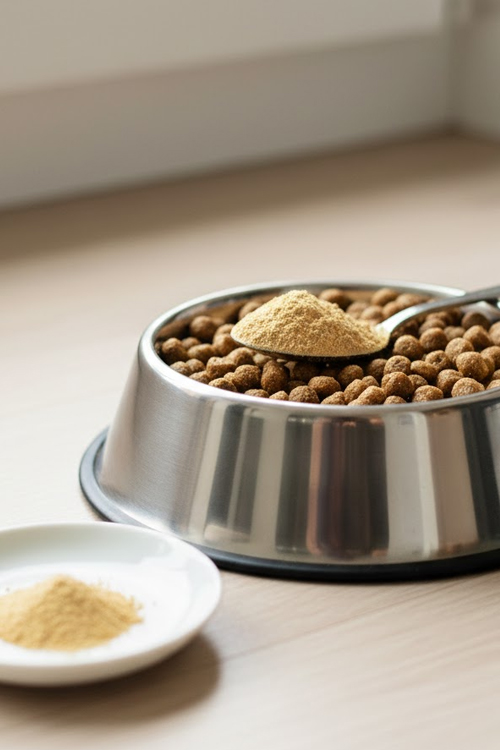
3) Brewer’s yeast: in food and on the coat
In food: Add a pinch to their regular food, starting with a small amount.
Topical use: Rub powdered yeast over the coat until it reaches the skin. Leave it on and remove excess if it accumulates.
Note: If the dog has allergies or sensitive digestion, it should be introduced gradually.
4) Rosemary or lavender: simple homemade collar
How to do it: Dilute rosemary or lavender essence in water. Moisten a bandana and place it as a collar (not too tight). Renew the scent every week.
Precaution with essential oils: Some dogs may react poorly to certain oils. Dilution, a prior patch test, and discontinuation if there is irritation, sneezing, or increased itching are always recommended.
5) Chamomile: a gentle alternative if there is irritation
Application: Prepare a chamomile infusion and let it cool down. Bathe the dog while massaging. Leave it on for 15–20 minutes and rinse. It is usually a gentle option for frequent use, always observing the skin's progress.
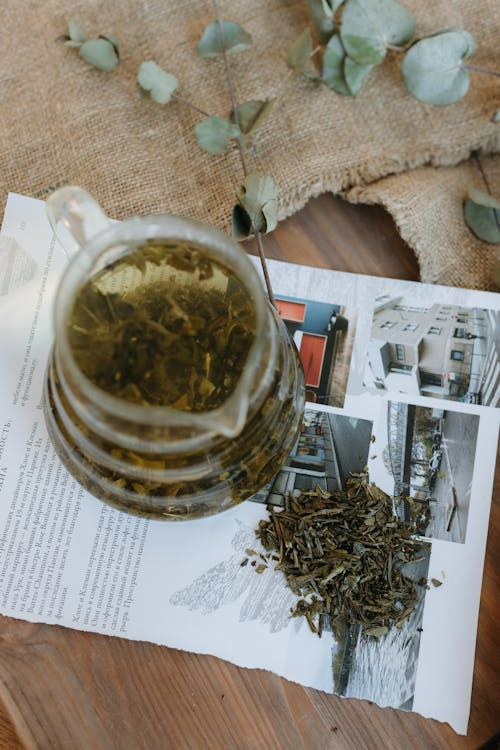
6) Eucalyptus: antiseptic effect with cautious use
Infusion: Prepare a eucalyptus infusion (can be mixed with rosemary). Apply as a bath or with a cloth over the coat.
Essential oil: If used, it must be very diluted, completely avoiding the face, snout, and eyes.
Practical recommendation: If there are doubts regarding essential oils, it is preferable to prioritize gentler options (chamomile, properly applied citrus, diluted rosemary, yeast).
Typical mistakes that prevent flea elimination
1) Treating only the dog and forgetting the environment: If the dog sleeps on textiles with eggs/larvae, the problem will reappear. The solution is usually to combine: treatment or remedy on the dog, washing textiles, vacuuming, and maintenance over several days.
2) Confusing “natural” with “harmless”: Strong vinegar and essential oils can irritate skin or mucous membranes. It is always best to avoid the eyes/snout and reduce intensity if there is sensitivity.
When to stop home remedies and see a vet
A veterinary consultation is recommended if:
- the dog is a puppy or very small
- there are wounds, infection, or marked dermatitis
- the infestation is intense (fleas frequently visible)
- there is no clear improvement after 7–10 days of a consistent plan (dog + home)
- there are strong reactions in people in the household (many bites, allergies)
Quick FAQ
How long does it take to see improvement?
In mild cases, there may be relief in 24–72 hours. If there is an infestation in the environment, full control may take weeks due to the life cycle.
Can remedies be combined?
Yes, but with judgment: for example, chamomile (if there is irritation) + maintenance citrus spray + environmental cleaning. It is better to avoid mixing too many oils/scents at once.
How to prevent them from coming back?
- Regular coat checks.
- Hygiene of bedding and textiles.
- Frequent vacuuming in areas where the dog rests.
- During high-risk seasons, maintain a preventive routine and consider antiparasitics recommended by a veterinarian.
Leave a Reply Cancel Reply