




Guinea Pig Care Guide: Nutrition, Housing, and Health
If you’ve searched for “guinea pigs,” you’re almost certainly in one of these moments: you’re thinking about getting one, you’ve just adopted one and you’re full of doubts, or you want to improve how you’re caring for it (and avoid scares). And let me tell you straight: guinea pigs are “easy to love” animals, but they are not a low-maintenance pet. When you give them what they need, they are calm, sociable, curious, and super grateful. When you don't, the classic problems appear: stress, obesity, fighting, diarrhea, overgrown teeth, apathy, or vet visits that you could have avoided.
In my case, the turning point was understanding that what matters isn't having pretty “little things,” but nailing the basics: a spacious cage, a substrate that doesn't cause respiratory problems, unlimited hay, daily vegetables for vitamin C, and a mini-checkup routine. It sounds simple. It works.
Before you start: one guinea pig or two?
Guinea pigs are very social. This isn't just posturing: if they live alone, many become dull, stressed, or more nervous. That’s why, if you can, it’s recommended that they live in pairs:
- Two females, or
- Female + neutered male (if you want to avoid litters).
Can you have a single guinea pig? Yes, but it’s not ideal. If, due to circumstances, you are only going to have one, then your presence (time, interaction, routine) becomes even more important.
My realistic advice: before buying anything, think about the “complete package”: space, daily food, cleaning, and a trusted vet. If that works for you, go ahead.
Housing and environment: the perfect cage (and why “bigger” always wins)
This is where most people get it wrong. Guinea pigs need floor space, not “height.” They aren't climbers like other rodents. A small cage is a recipe for stress and a sedentary lifestyle.
Minimum size and layout
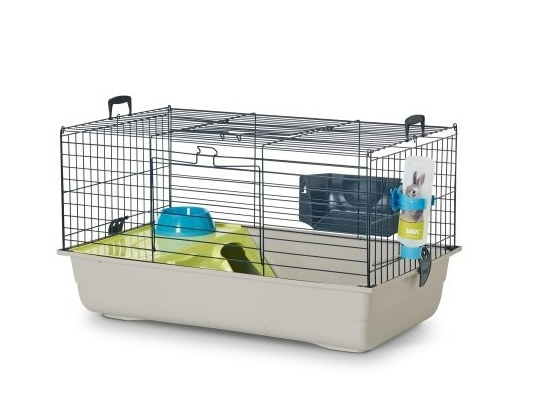
As a baseline, I wouldn't go lower than a minimum of around 70 × 40 cm (and honestly, the bigger, the better). Furthermore, rather than just the size “on paper,” what makes the difference is how you set it up:
- Rest area: with a shelter/nest.
- Feeding area: hay + bowl + water.
- Movement area: free space to walk and run a bit.
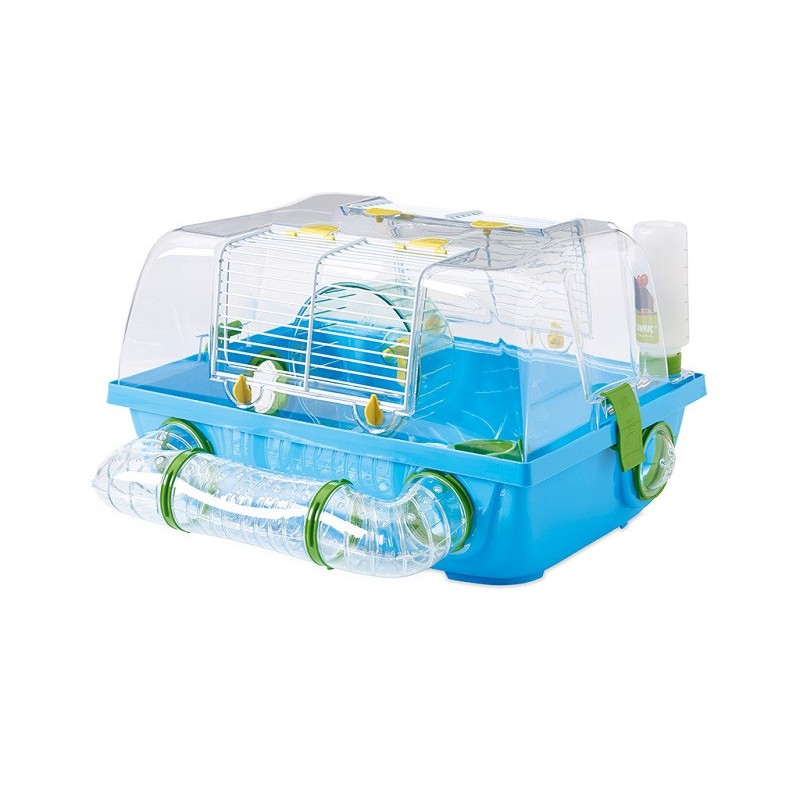
And a detail that works really well for me: add tunnels and small ramps/gentle stairs so they move more. It’s not just “decoration”; it’s activity and well-being.
Substrate: the typical error that causes problems
The substrate is not “filler,” it is health. I always prioritize an absorbent, dust-free base, and I use a generous layer (about two fingers thick). Materials that usually work well:
- Wood pellets
- Cellulose/pressed paper
This reduces odor, keeps them dry, and above all, avoids respiratory problems caused by dust. If you notice frequent sneezing or irritation, check this before changing a thousand other things.
Essential accessories
Without complicating things, the minimum is: Water bottle (or a heavy bowl if it doesn't tip it over), food bowl, shelter/nest (it gives them security), and a hay rack (highly recommended so the hay doesn't get wasted).
Guinea pig nutrition: what they eat and how to do it right
If you want to truly care for guinea pigs, there is a mantra: hay always, fresh food daily, and pellets used wisely.
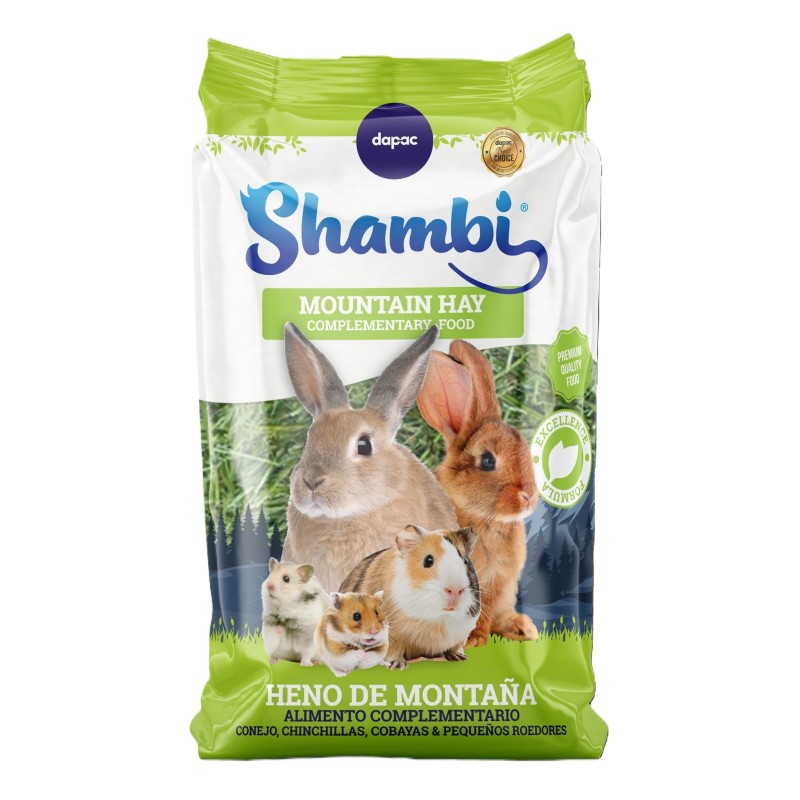
1) Unlimited hay (yes, unlimited)
Hay must be available at all times. In my experience, when this is met, you notice it in three things: better digestion (fiber is key), more controlled teeth (they wear down), and fewer dietary “whims.” If a guinea pig doesn't eat hay, the problem is often quality or an excess of “extras” (too many pellets, too much fruit, too many treats).
2) Pellets: it's not an all-you-can-eat buffet (for adults)
There are nuances here: For the young and the elderly, it is often tolerated better if it is more available (depending on the case). For adults, it is better to ration it to avoid obesity. A useful reference is around 30 g per kilo of body weight. I use it as a supplement, not as the base. The base is the hay.
3) Vitamin C: mandatory
Guinea pigs do not produce vitamin C themselves. They need you to provide it through fresh food daily. A practical guideline is to offer about 100 g of fresh food daily, prioritizing vegetables rich in vitamin C. My “top” choices for practicality: Red bell pepper (they usually love it), green cabbage (introduce it little by little), and a mix of varied green leaves (rotating). Be careful with fruit: it’s not poison, but in excess, it isn't worth it because of the sugar. It’s better as an occasional, small treat.
Hygiene and exercise: an easy routine to avoid obesity and bad odors
If I'm being honest, hygiene and movement feed off each other: when the cage is clean and there is activity, it smells less and the guinea pig is better off.
Cleaning (without becoming a slave to it)
- Every day (2–3 min): remove wet areas and visible droppings.
- Several times a week: refresh the part of the substrate where they make the most mess.
- 1 time per week: complete cleaning (substrate out + clean base + total drying).
The trick that works for me is the one mentioned before: enough substrate (that “two-finger” layer). It absorbs better and reduces odors.
Exercise and enrichment: homemade “gym”
To prevent them from becoming sedentary: create little “gyms” with ropes and tubes, add tunnels, and allow controlled time outside the cage. You can even use specific harnesses, but I see it as optional and always without forcing them. The priority is for the cage to be spacious and stimulating.
Grooming: brushing and bathing
If they are long-haired, brush 1–3 times a week. Bathe only if they are very dirty, using rodent shampoo and warm water. Dry well, away from drafts.
Health and well-being: what I check daily (and why)
Guinea pigs are masters of saying “I’m fine” even when they aren't. That’s why a daily checkup saves you from scares. In my routine, I do this: I palpate them (gently) to detect lumps, observe if there are signs of pain, and check their appetite, droppings, and activity. It’s a small habit that makes a huge difference.
Typical warning signs to go to the vet without waiting: stops eating or producing droppings, persistent diarrhea, strange breathing/noises, marked apathy, lumps or pain when touched. And two recurring issues: Nails (if they get too long, they alter their gait) and Teeth (if they don't eat well, drool, or lose weight, watch out).
Recommended products for guinea pigs (without turning this into a catalog)
If you want to include products in your post, it’s best to do it as a “starter kit” (essential/recommended). This way it remains natural, useful, and Google understands it as real value.
Basic kit I would buy first:
- Hay (to always have available)
- Dust-free substrate/bedding (wood pellets or cellulose)
- Shelter/nest + food bowl + water bottle
- Enrichment accessories (tunnels, tubes, etc.)
- Carrier (when it’s time for the vet, you’ll thank me)
? View rodent products at Dapac
Important tip: when recommending, prioritize what truly impacts well-being (hay/cage/substrate/vitamin C) before “extras” that look nice but aren't the priority.
Final checklist (so you don't forget anything)
Every day:
- hay available + clean water
- vegetable rich in vitamin C
- remove dirty areas
- mini checkup (appetite + droppings + energy)
Every week:
- complete cage cleaning
- check nails
- brushing if long-haired
- check weight if you can (a kitchen scale is gold)
Leave a Reply Cancel Reply