




What is the smallest dog breed in the world?
If you’ve come here looking for “the world's smallest dog,” it’s understandable: we all want a quick answer. But there’s a typical trap in this search: “the smallest breed” is not the same as “the smallest individual dog” (Guinness World Records and such). So, let's do it right: first, we’ll identify the breed that usually takes the title, then we’ll explain the mini/toy topic (no hype), and finally, we’ll present a top list of small breeds with their character + real care (what truly matters when you have them at home).
What is the smallest dog breed in the world?
Chihuahua (and why it usually takes the "title" as a breed)
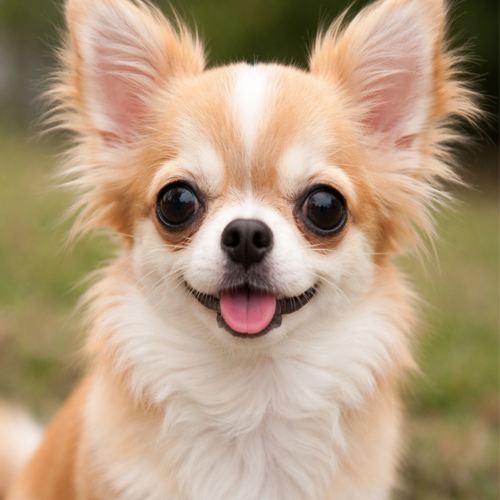
When talking about breeds, the Chihuahua is usually considered the smallest in the world in terms of general size. A very common data point is that “mini” specimens can be around 15 cm and weigh up to 2 kg.
Now, it’s not just about size: it’s about what comes with it. In the experience of living with such tiny dogs, you quickly learn that pulling on the leash is non-negotiable. That’s why, if you’re going to live with a Chihuahua or similar, it makes sense to prioritize a harness over a collar. Some mini dogs have delicate tracheas, and a “normal” walk can turn into a scare if the dog gets excited and tugs suddenly.
Smallest breed vs. “smallest dog” (records): they are not the same
There are articles that mix up “smallest breed” with “the world’s smallest dog” as an individual. A record might be held by a specific, exceptionally tiny Chihuahua, but that doesn’t mean that “buying one” guarantees you’ll have that size. Your Chihuahua can be small… but not a record-breaker. And that’s fine: the priority should be health and temperament, not centimeters.
What do “mini” and “toy” mean? (no hype)
This is where many people get confused (and where ads and breeders promising magical things appear). In practice:
- “Toy” is often used as a commercial label for very small dogs.
- “Mini” usually means “smaller than usual within that breed.”
In many breeds, these are not official categories in canine standards; it’s more about marketing than anything else.
Difference between a Chihuahua and a “Mini Toy Chihuahua”
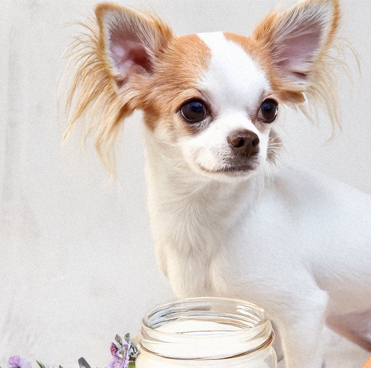
In real life, when someone says “Mini Toy Chihuahua,” they usually mean “a very small Chihuahua.” The risk is that if the size is pushed too far, there’s a higher probability of typical mini dog problems appearing: bone fragility, respiratory issues (in some cases), and complications due to extreme selection. In practice, the key point is this: being small shouldn't be the #1 goal. The goal should be for the dog to be healthy, stable, and well-socialized. A nervous dog without early training, no matter how mini they are, can be a mix of scares + barking + stress at home.
Are there dogs that “stay small”?
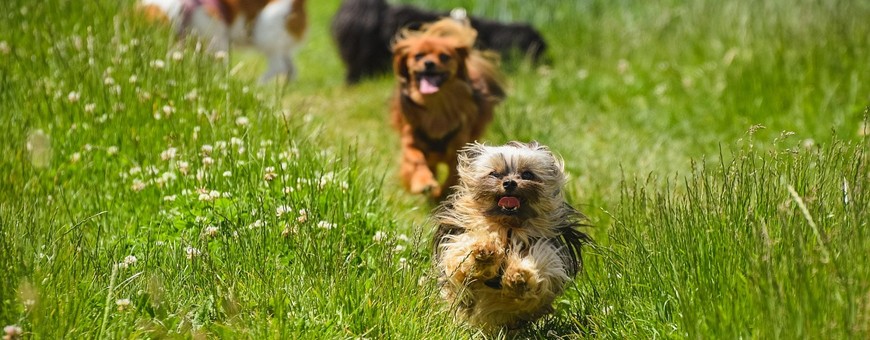
Yes, there are breeds that remain small as adults (Chihuahua, Pomeranian, Yorkshire, Miniature Pinscher, etc.). What doesn't exist is a “magical” guarantee that they will always stay at X centimeters if you are buying based on labels like “super mini.” It’s more realistic to talk about ranges and genetics, rather than promises.
Top 10 Smallest Dog Breeds (with size, character, and key care)
Here is a top list aligned with the available information, but with the focus that is often missing from lists: what to watch out for and what practical decisions to make.
• Chihuahua: Estimated size of around 15 cm in very small specimens; up to 2 kg in the “mini” ones mentioned. They can be nervous if not trained as puppies. Key care: fragile bones and delicate trachea → harness and walks without tugging. It sums up like this: a well-trained Chihuahua is awesome. One without boundaries as a puppy… will walk all over you at home.
• Mini Yorkshire Terrier: Notes state they “do not exceed 17 cm.” Playful, but can be territorial. Requires early socialization, barking control, and a steady routine.
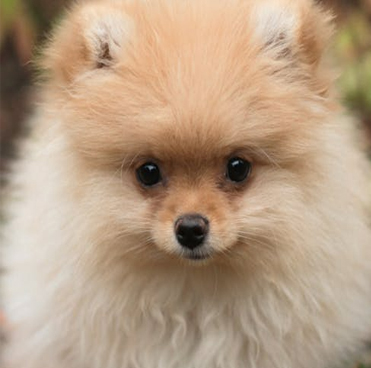
• Pomeranian: Up to ~25 cm. Active, intelligent, and very adaptable to apartment living. Requires mental stimulation and training; don’t underestimate their energy.
• Miniature Pinscher: Defined as a “mini Doberman,” possessive and a good guardian. Practical point: they tend to shiver from the cold → sweater, warm bed, and smart walks. For chilly mini dogs, switching to “short but frequent walks” + a coat is a lifesaver. If you take them out in the raw cold, the walk becomes nothing but “shivering and heading back home.”
• Pekingese: Around 20 cm. Independent, brave, and sometimes wary of strangers. Requires socialization, patience, and coat management.
• Shih Tzu: Known as the “little lion,” sociable with children and other animals. Requires a brushing routine if keeping a long coat, and gentle training.
• Pug: ~30 cm. Friendly, playful, and very clingy. Watch out for eye and respiratory issues due to their flat face (brachycephalic). There’s an emphasis on this: with flat-faced dogs, the heat rules. In practice, you must adjust schedules and effort during summer. Early morning/late evening walks are best, with plenty of water, shade, and zero “let’s go for a run” at noon.
• Dachshund (Teckel / Sausage dog): ~20 cm. Loyal, affectionate, with a hound’s instinct. Their critical point is the spine. And this isn't drama: sometimes people think the staircase thing is an exaggeration… until you understand what a long back entails. If you live with one, it makes sense to avoid jumping, control their weight, and, if needed, carry them on stairs.
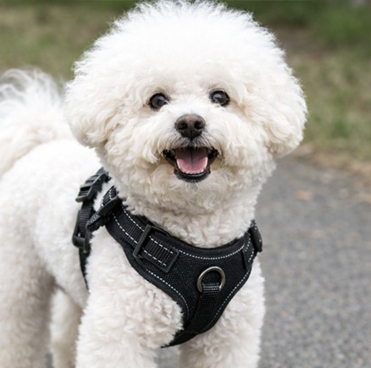
• Bichon Frisé: “Cotton ball” appearance with curly white hair. Intelligent and trainable. Requires coat maintenance and constant education.
• Australian Terrier: ~25 cm. Full of energy, but sweet and sociable. Needs brisk walks (at least one hour daily). This is the perfect example to break the myth that “small dog = calm dog.”
Real care for mini dogs (what no one tells you in a list)
Fragility, jumping, and home management
With mini dogs, a “normal” house can be a dangerous amusement park: the sofa, the bed, children's arms, steps. They are small, yes, but that implies a higher risk of bumps, more risk of injuries from repeated jumping, and a greater need to teach them to “go up/down” calmly. If living with kids, a simple rule is recommended: they are not to be picked up like a plush toy. They should be treated with calmness and body support. It’s the difference between “a happy dog” and “a silly accident.”
Harness, trachea, and walks without tugging
The key advice is: harness instead of a collar when there is a delicate trachea or a tendency to pull. In mini dogs, a misused collar can generate unnecessary pressure. The “basic kit” for a mini includes: a comfortable harness, a leash that doesn’t encourage pulling, and positive reinforcement starting from puppyhood.
Spine and stairs (special focus on Dachshunds)
With sausage dogs/teckels, the back is sacred: fewer jumps, careful with stairs, controlled weight, and gentle exercise for muscle tone. The “carry them on stairs” advice is a tip that, when applied, brings a lot of peace of mind.
Cold, shivering, and coats (miniatures)
Pinschers and other minis may shiver from the cold. Shivering isn't always “oh, how cute”: many times it means “I’m cold or I’m stressed.”
Heat and breathing (brachycephalics)
Pugs and similar breeds: watch out for heat, effort, and breathing. If excessive panting, tongue hanging way out, or apathy is observed… stop. You must prioritize the smart walk over the “long walk.”
Frequently Asked Questions
What is the smallest mini toy dog? Usually, the Chihuahua or specifically tiny individuals are pointed out. But “mini toy” is a commercial label: better to look at health.
What are the 5 smallest breeds? Chihuahua, Yorkshire (mini), Pomeranian, Miniature Pinscher, and Pekingese.
Difference between a Chihuahua and a Mini Toy Chihuahua? In practice, it’s usually marketing for the smallest specimens of the breed.
What is the 7-7-7 rule for dogs? 7 days to decompress, 7 weeks for routine, and 7 months to feel truly at home.
Is there a breed that stays small? Yes, many small breeds have a reduced adult size due to genetics.
Conclusion
If you want a mini dog, you must think about health, training, and care rather than centimeters. The points that change living together the most are simple: harness, stair control, and adapting to cold/heat. With that, a small dog can be a wonder… without avoidable scares.
Leave a Reply Cancel Reply