






What should cats eat? The practical and safe complete guide
1) Basic Principles of Feline Nutrition (Meat, Protein, and Moisture)
Cats are obligate carnivores. Their engine runs best on animal protein from meat or fish. When the base is animal-sourced (rather than fillers), the coat looks better, there is more energy, and less "snacking" between meals. Furthermore, felines have specific requirements (such as taurine and preformed vitamin A, among others) that are naturally met with well-formulated animal ingredients.
Another important key: they do not drink as much water as dogs. Therefore, the moisture in their diet is decisive for urinary and kidney health. A great option is to combine kibble with wet food.
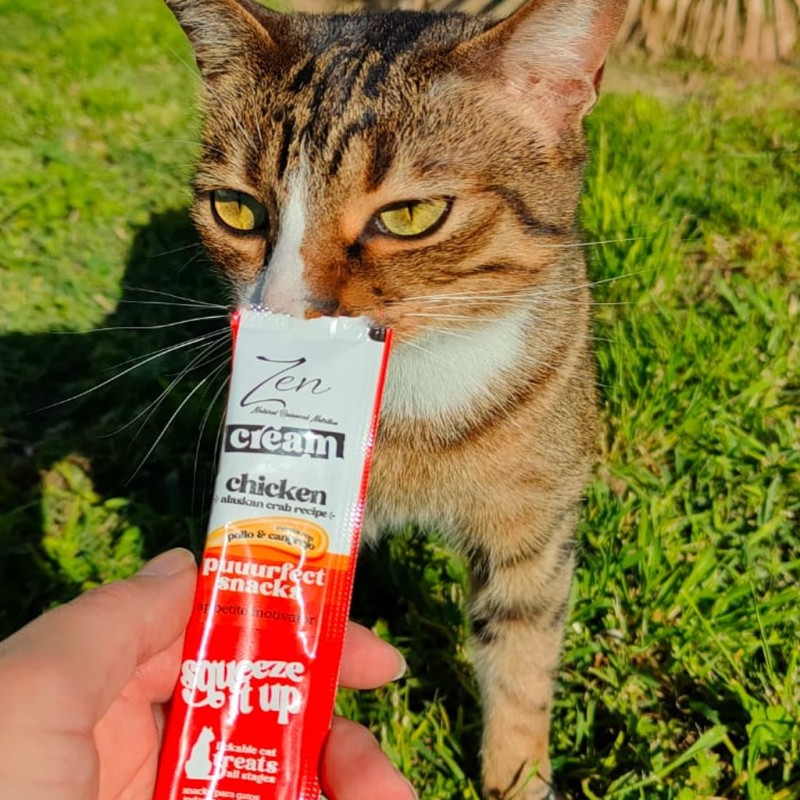
Cats are creatures of habit: the same spot, consistent schedules, and portions adjusted to weight/activity. You can offer small portions and observe: if the bowl comes back empty but the cat doesn't insist for more, it’s going well; if they ask for more, check the portion size or protein density.
Quick Keys:
- Prioritize animal protein as the first ingredient.
- Increase dietary moisture (wet food/rehydrated dehydrated food).
- Avoid excess salt, sugars, seasonings, and bones/fishbones.
2) How Many Times a Day Should a Cat Eat? Natural Rhythm and Guideline Portions
Felines prefer several small feedings throughout the day; their digestive physiology is built for frequent "snacks." At home, dividing the daily portion into 3–5 mini-feedings works well (kittens: more frequent; adults: fewer). For neutered cats or those prone to weight gain, portion-control feeders and foraging games help a lot.
General Guidelines:
- Kittens (up to 12 months): 4–5 small feedings; always use a specific growth diet.
- Adults: 2–4 feedings (I usually do 3).
- Sterilized / Weight Control: Prioritize recipes with high-quality protein and measured portions; more environmental enrichment, less "filling the bowl just because."
Practical signal: if they are very hungry between feedings, check the protein and moisture percentages. If you try dry food close to 40% protein (animal base), you will see better satiety with similar portion sizes.
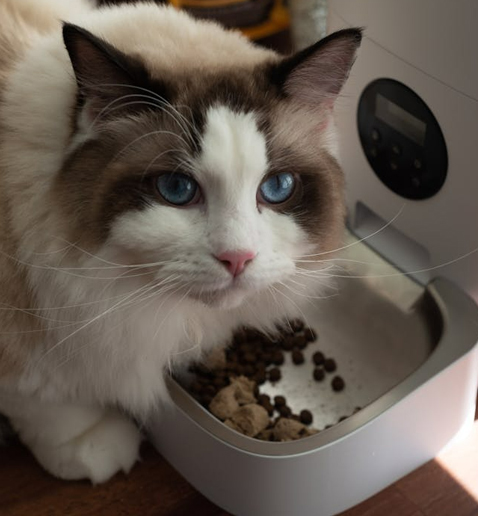
3) Types of Food: Dry, Wet, Homemade, and Dehydrated (Pros, Cons, and When to Use Them)
The key is to combine them intelligently according to your cat and your routine:
- • Dry Food: Extremely convenient and economical. Watch out for two things: low moisture (8–10%) and the actual quality of the formula. Ensure protein doesn't drop below 25%, ideally closer to 40% and of animal origin. You can use it as a base and combine it with wet food.
- • Wet Food: Pure gold for hydration and picky cats. It spoils if left out for hours; open, serve small portions, and store the rest in the fridge.
- • Homemade Food: Only with professional formulation (veterinarian/nutritionist). Preparing it "by eye" can cause deficiencies or toxicities.
- • Dehydrated Food: Usually uses natural ingredients. Personal trick: use hot water, mix, and let sit for 3–5 minutes to release aroma and texture.
3 bis) Comparison Table: Dry vs Wet vs Dehydrated vs Homemade
| Format | Approx. % Moisture | Guideline Protein* | Pros | Cons | When to Use | Extra Tip |
|---|---|---|---|---|---|---|
| Dry Food | 8–10% | ≥25%; ideal ~40% | Economical, easy to dose | Low moisture | Daily base | Add 1–2 wet feedings |
| Wet Food | 70–80% | Variable | Excellent hydration | Spoils if left out | Cats who drink little | Small portions + fridge |
| Dehydrated | ~70% (rehydr.) | Variable | Very aromatic | Requires preparation | Varying texture and water | Hot water + resting time |
| Homemade | 60–80% | Per recipe | Total control | Risk of deficiencies | Only with prof. recipe | No salt or seasonings |
* Guideline values. Always check the label and the manufacturer's feeding guide.
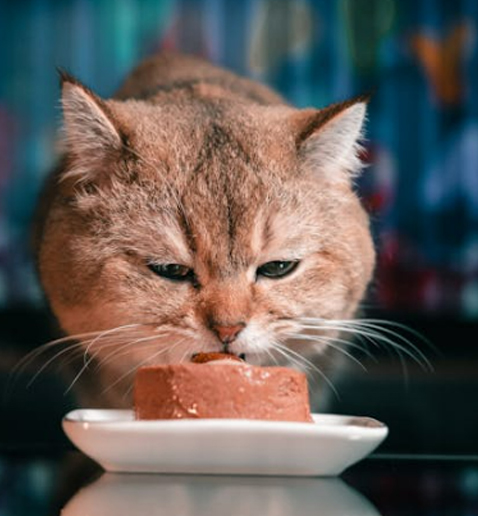
4) Can Cats Eat Human Food? Quick List of Yes and No
✅ YES (Small amounts):
- Cooked meat and fish, without bones/fishbones or salt.
- Cooked egg (hard-boiled or scrambled).
- Cooked rice or oats (occasionally).
- Cooked and mashed pumpkin or carrot.
⛔ NO (Toxic or Risky):
- Onion, garlic, chives.
- Grapes and raisins, chocolate.
- Alcohol, caffeine.
- Cooked bones (they splinter).
- Dairy with lactose.
If it's a human dish with salt, sugar, or spices, it’s a "no" for the cat.
5) Safe Preparation: How to Offer Meats, Fish, Eggs, and More
- Meat/Fish: Simple cooking (boiled, steamed, or lightly grilled). Remove skin, visible fat, bones/fishbones and let cool.
- Egg: Always fully cooked (hard-boiled or scrambled without salt).
- Grains: Well-cooked, small amounts, and only if suggested by a vet.
- Vegetables: Cooked and puréed, as a "topping" by the teaspoon.
To avoid overfeeding, use a practical rule: these extras should not displace their complete food.
6) Smart Hydration: Tricks with Wet and Dehydrated Food
Since cats drink very little, increase water intake through their food:
- 1–2 daily servings of wet food.
- Rehydrated Dehydrated Food: Hot water, mix, and let rest for 3–5 minutes.
- Water fountains or several bowls placed away from the food bowl.
7) Feeding Suggestions (Zen Brand)
These options fit based on stage and need. Choose according to your cat and veterinary advice:
Complement with Zen wet food and snacks. Adding one or two wet portions a day on top of the dry food works wonders.
8) Frequently Asked Questions (FAQ)
What can you feed a cat?
A complete food for their life stage as a base. You can add wet or rehydrated dehydrated food and some safe human food in small quantities.
What food do they like most?
Wet food usually wins because of the aroma and texture. Dry food + a spoonful of wet food is the winning combination.
What is the "3-3-3 rule" for cats?
3 days of gentle transition, observing 3 signals (appetite, stool, energy) and adjusting in 3 steps (portion, moisture, frequency).
What fruit do cats eat?
They don't need it. If anything, micro-pieces of apple or melon without seeds or skin. Never grapes.
9) Warning Signs and When to Call the Vet
Call the vet if you see persistent vomiting, diarrhea, blood, apathy, refusal to eat for >24 hours, or pain when urinating. Also, consult them regarding sudden diet changes in senior cats.
Leave a Reply Cancel Reply