




Pine Processionary in Dogs: Symptoms, What to Do, and Preventing Severe Consequences
The pine processionary caterpillar is one of the greatest dangers for dogs during late winter and spring. Every year, thousands of pets suffer severe reactions from contact with this seemingly harmless caterpillar.
The problem is not that they bite it. The true risk lies in their stinging hairs, which release an extremely irritating toxin capable of causing severe inflammation, tongue necrosis, and even respiratory complications.
Knowing how to recognize the symptoms and acting within the first few minutes can make all the difference.
What is the Pine Processionary and Why is it So Dangerous for Dogs?
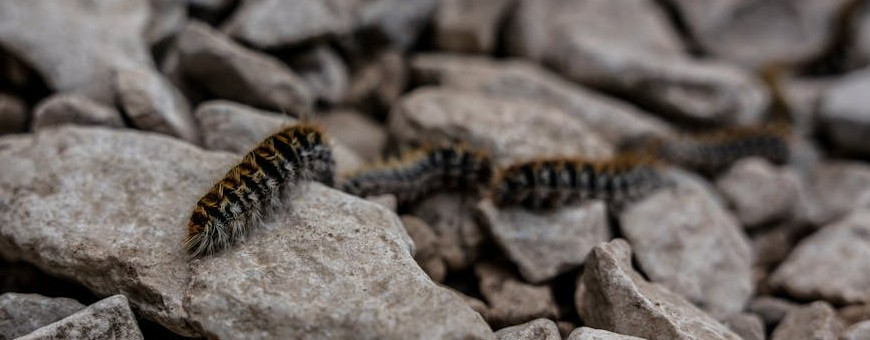
The pine processionary, scientifically known as Thaumetopoea pityocampa, is a caterpillar that descends from pine trees in a row, forming the characteristic "processions." Its danger lies in the thousands of microscopic hairs covering its body, which contain a toxin that:
- Produces immediate inflammation.
- Triggers intense allergic reactions.
- Can cause necrosis in the tongue and tissues.
- Affects eyes and respiratory tracts.
In curious dogs that sniff or lick the ground, contact is extremely frequent.
When is the Risk of Processionary Highest?
The highest risk occurs between January and April, depending on the climate. In mild winters, they may appear even earlier. High-risk areas include:
- Pine forests.
- Parks with pine trees.
- Forest recreational areas.
- Residential areas near forests.
Note: The danger does not disappear even if caterpillars are not seen; the stinging hairs can remain on the ground.
Processionary Symptoms in Dogs: Immediate Warning Signs
Initial Symptoms
- Excessive drooling.
- Muzzle swelling.
- Red and swollen tongue.
- Constant attempts to scratch the mouth.
- Sudden nervousness.
Severe Symptoms
- Purple or severely swollen tongue.
- Difficulty breathing.
- Vomiting.
- Eye inflammation.
- Loss of tissue (necrosis).
Veterinary Treatment and Prevention
Professional treatment typically includes intravenous medication, potent anti-inflammatories, antihistamines, and corticosteroids. Speed of administration prevents permanent necrosis.
How to Prevent:
- Avoid Risk Areas: Do not walk in pine forests during peak season.
- Preparation: Consult with your vet before excursions and consider carrying prescribed oral medication.
Leave a Reply Cancel Reply