





Medium Dog Breed Guide: Choosing the Right Dog for Your Lifestyle
Searching for medium dog breeds usually means one thing: finding a balanced, manageable dog at home with enough energy to enjoy activities, but without surprises like "they never get tired" or "they bark at everything." This guide helps you choose wisely by comparing real needs (energy, mental stimulation, coat, barking, and instincts) rather than just aesthetics.
What is considered a medium-sized dog?
The term "medium" isn't always used the same way. Some lists include 10 kg dogs, while others include breeds reaching 30–35 kg, which can be confusing when comparing.
Weight and height guidelines (with nuances for build)
As a practical (non-official) reference, this framework usually works:
- • Small: up to 10 kg
- • Medium: 10–25 kg
- • Large: from 25–30 kg
Even so, build and coat can be deceiving: compact breeds may look "bigger," while tall, slender breeds can seem "smaller" than their actual weight.

Medium = "Easy": What actually matters is energy, coat, and barking
A medium dog is not automatically easy. What really defines the experience is:
- Energy level (how much exercise they need)
- Mental stimulation (if they need "work" in addition to walks)
- Tendency to bark (and how they handle boredom)
- Shedding and grooming (brushing, mats, hair loss)
- Instincts (hunting, herding, tracking)
Typical examples: breeds like the Border Collie or Australian Shepherd stand out for intelligence and performance but require constant mental stimulation. In contrast, a Bulldog usually prefers quiet plans, though with more attention to heat, weight, and drooling.
How to choose a medium dog breed based on your real life
Choosing well depends more on lifestyle than on the "most popular breed." These filters will help you get it right.
If you live in an apartment: energy, barking, and meaningful walks
In an apartment, a dog won't "tire themselves out." The following are especially important:
- Daily walking routine (quantity and quality)
- Boredom management
- Risk of barking (neighbors)
Dogs with a strong sense of smell (for example, Beagles or Basset Hounds) can become noisy or destructive if they get bored. For these profiles, it usually works best to combine walks with "scent time" (exploring, tracking) and search activities at home.

If there are children: patience, play, and handling tolerance
With children, it is advisable to prioritize:
- Tolerance for noise and physical contact
- Balanced play
- Stable temperament
Breeds like the Boxer tend to be playful and very family-oriented, but they need exercise to channel energy and avoid jumping or excessive excitement at home.
If living with a cat or other animals: instinct and socialization
Here, instinct rules:
- Hunting: can complicate living with cats without early socialization.
- Herding: some breeds try to "order" children or other animals (staring, nudging, chasing).
Herding profiles like the Border Collie or Australian Shepherd can coexist well but require work on self-control and habits.
If it's your first dog: typical mistakes
For first-time owners, it is recommended to avoid profiles with:
- High independence
- Marked stubbornness
- Very high mental needs (if you don't want to train)
A Shiba Inu, for example, is often independent and reserved; it might not be the easiest option if you are looking for simple obedience.
Common mistakes when starting: Choosing solely based on looks, not teaching calmness (only commands), or taking walks that are too short and lack exploration.

If you are looking for a sporting companion: running, hiking, and agility
- For agility/training: Border Collie, Australian Shepherd
- For athletics and speed: Whippet (with caution regarding instinct)
- For hiking: breeds with a good balance of energy and recovery
Quick comparison table of medium dog breeds
Guideline table: each individual may vary depending on training, age, and socialization.
| Breed | Energy | Shedding/Coat | Barking | Drooling | Trainability | Fits well with... | Watch out for... |
|---|---|---|---|---|---|---|---|
| Cocker Spaniel | Medium-High | High (tangles) | Medium | Low | Medium | active families | grooming and mats |
| Beagle | High | Medium | High | Low | Medium | activity + scent work | gluttony, boredom |
| Bulldog | Low-Medium | Low-Medium | Low | High | Medium | apartment, company | heat, weight, drool |
| Border Collie | Very High | Medium-High | Medium | Low | High (with work) | sport and mental work | needs mental stimulus |
| Basset Hound | Medium | Medium | Medium | Medium | Medium-Low | quiet walks | stubbornness, food |
| Boxer | High | Low | Medium | Medium | Medium | families, guardian | jumping, excitement |
| Australian Shepherd | Very High | High | Medium | Low | High (with work) | agility, sport | boredom |
| Shiba Inu | Medium | Medium | Medium | Low | Medium | experienced owners | independence |
| Dalmatian | High | Medium | Medium | Low | Medium-High | daily activity | constant energy |
| Whippet | Medium | Low | Low | Low | Medium | apartment + routine | hunting instinct (leash) |
20 popular medium dog breeds (profile-based focus)
Instead of an endless list, they are grouped by needs, which is the most helpful way to choose.
Quiet / "Couch Potato" mode
- Bulldog: calm and family-oriented; requires monitoring for heat and weight control.
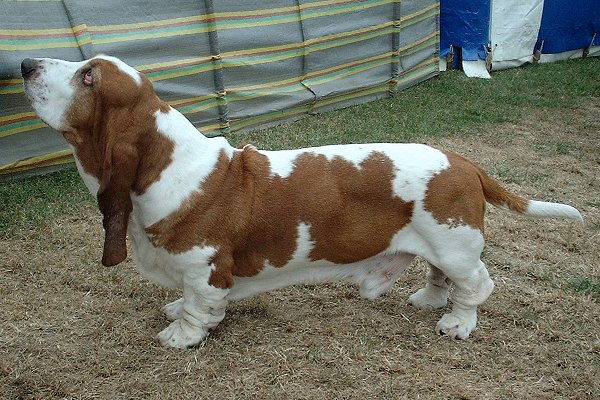
- Basset Hound: affectionate and slow-paced; needs scent work and patience for their stubbornness.
- Whippet: surprisingly quiet indoors; outdoors, best on a leash due to instinct.

Very active and intelligent
- Border Collie: highly intelligent; needs frequent exercise and mental work.
- Australian Shepherd: hardworking and athletic; requires a constant occupation.
- Dalmatian: energetic and fast; needs an active routine and discipline.

Hounds and "Scent-driven" dogs
- Beagle: playful and sociable; if bored, they can bark or become destructive; they are commonly gluttonous.
- Basset Hound: excellent sense of smell; typical stubbornness.
Independent / strong character
- Shiba Inu: independent and reserved; usually not recommended for those looking for an "easy" dog without training.
Care and typical needs of a medium dog
Daily exercise: how much and how to distribute it
Many medium dogs need between 60 and 120 minutes daily (depending on age and energy), divided into:
- Quiet walk with exploration/scent work
- Activity segment (play, controlled running)
- Calm time and real rest
Mental stimulation: the key for smart breeds
In highly intelligent or scent-driven breeds, it is useful to include: search games, intelligence toys / food dispensing, and mini training sessions (5–10 min).
Feeding and weight control
Too many treats and a lack of routine lead to obesity, especially in gluttonous breeds. Controlling portions, treats, and activity prevents many later problems.
Coat and grooming: short vs long
- Long/silky hair (e.g., Cocker): frequent brushing to avoid knots.
- Double coat (e.g., Aussies): intense seasonal shedding.
- Short hair (e.g., Boxer/Whippet): less maintenance, but also sheds hair.
Common problems (and how to avoid them)
Barking and separation anxiety: A stable routine, teaching calmness, enrichment (scent/chewing), and progressive separation training helps.
Destructiveness from boredom: Usually improves with quality walks + scent work + chewing + brief daily training, especially in hounds and highly intelligent profiles.
Instincts (herding, hunting): Herding: work on self-control and redirection. Hunting: safety outdoors (leash, trained recall, controlled environments).
FAQs about medium dog breeds
Which medium breeds are best for apartments? Those that regulate their energy well at home, with a low tendency to bark and a stable walking routine.
Which medium breeds bark the least? It depends on the individual, but it helps to choose less vocal profiles and ensure enrichment to avoid boredom.
Which medium breeds shed the least hair? Short hair usually sheds less than double coats, but there is no such thing as "zero shedding" in practice.
Is it better to adopt a medium mixed breed or choose a purebred? Purebreds provide predictability regarding instincts/needs; an adult mixed breed may allow you to evaluate their true temperament before deciding.
Leave a Reply Cancel Reply