




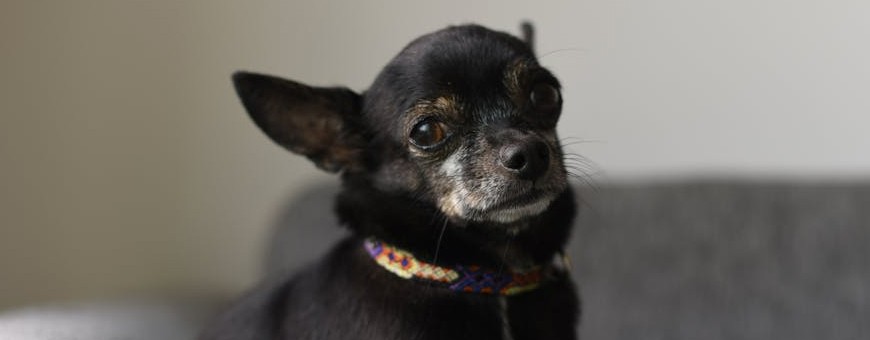
Older dog: care, symptoms, and nutrition to live better during this stage
Having an older dog changes many things, but not for the worse: the pace changes, priorities shift, and the way we accompany them evolves. At this stage, it is no longer about demanding the same from them as before, but about understanding what they need now to feel safe, comfortable, and loved.
As a dog ages, what they appreciate most is not us trying to "keep them the same," but adapting their life to their current moment. Sometimes that means a better bed, shorter walks, more suitable food and, above all, more patience. In my experience, a senior dog doesn't always ask for much; often they just ask for calm, routine, and closeness.
Furthermore, searching for "older dog" usually hides several doubts at once: when is a dog considered a senior, what symptoms are normal, what to do when they are very old, and what to feed them. We are going to resolve all of that in a practical and clear way.
When is a dog considered a senior?
There is no exact age that fits everyone, because a small dog does not age at the same rate as a large one. Even so, as a general guideline, small breed dogs usually enter the senior stage later, while large and giant breeds do so earlier. That's why it doesn't make much sense to look only at the number of years: you have to observe their energy, mobility, sleep, appetite, and behavioral changes.
I'll leave you a link to our post: Dog ages: how to calculate their age
Age changes according to size and breed
A very common mistake is thinking that a dog becomes old overnight. It doesn't happen that way. Usually, it is something progressive. They start sleeping more, get up more slowly, can no longer handle long walks, or show less tolerance to certain stimuli. They may also seek more company or, conversely, isolate themselves a bit to rest.
In my case, one of the clearest signs has always been the change in rest: the dog no longer lies down just anywhere but needs a much more comfortable, warm, and stable place. That's when you realize that just "having a bed" isn't enough; you have to think about whether that bed really helps them rest well.
Most common symptoms and changes in an older dog
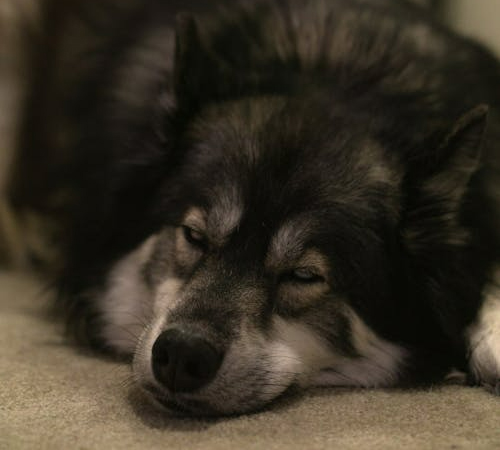
An old or senior dog usually shows quite recognizable physical and emotional changes. Some are normal within aging, and others deserve more attention. The key is not to normalize everything just because "they are getting old."
Physical changes: sleep, mobility, appetite, and gray hair
The most common symptoms are these: they sleep more hours, tire sooner, lose some muscle mass, gray hairs appear—especially on the snout and face—and they may move with more stiffness. It is also frequent that they find it hard to climb stairs, jump on the sofa, or get up after lying down.
Another important point is appetite. Some older dogs eat less; others continue to eat heartily but need a different formula because they burn less energy or digest certain ingredients poorly. That's why nutrition stops being a detail and becomes part of the daily wellness treatment.
Behavioral changes: more clinginess, less energy, and more sensitivity
Behaviorally, it's normal to notice they are calmer, more sensitive, or more dependent on their routine. Sometimes they hear less, see worse, or get a bit disoriented in spaces they used to know by heart. Communication changes a lot there. When an older dog loses part of their hearing or vision, the bond relies more on a serene tone, physical affection, and a constant presence.
That seems fundamental to me: often they understand a gentle hand and a predictable routine better than a command. When I tried slowing down the pace, speaking more calmly, and maintaining more stable schedules, the change was evident. They didn't need more stimulation; they needed to feel safe.
What to do when your dog is very old
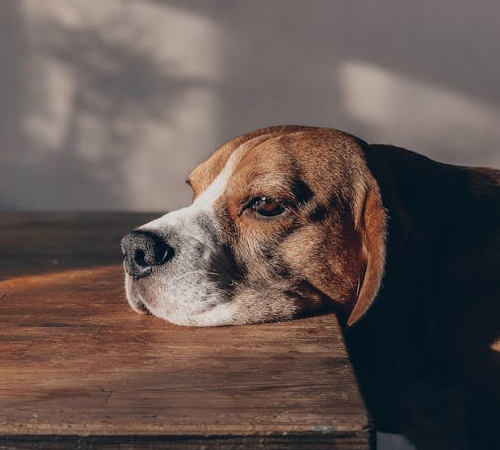
This is the most important question: what to do when your little dog is already very old? My answer is simple: focus on comfort, safety, prevention, and companionship.
How to adapt the house for better rest and movement
The first thing is to check their environment. A senior dog needs a soft, cushioned space without drafts. It also helps immensely if they sleep near the family. Not just for physical comfort, but because feeling accompanied reduces stress and disorientation.
It's advisable to remove obstacles, avoid slippery floors, and make it easier for them to access their usual areas. If the house has steps or surfaces where they might slip, it's a good idea to adapt those spots. I see it similarly to preparing a house for someone who no longer moves with the same agility: fewer risks, more stability.
Short walks, stable routine, and games to keep the mind active
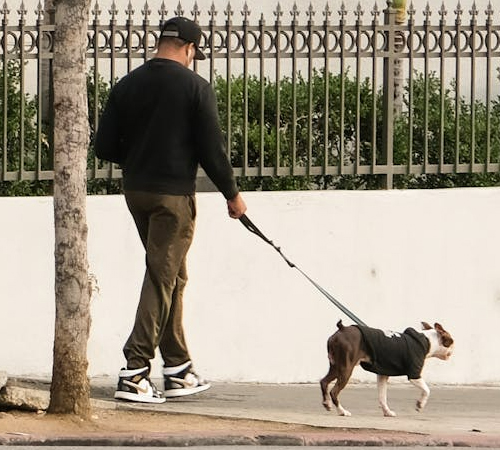
Here is another big key. It's no longer time to force them into eternal walks "so they don't get rusty." What usually works best are shorter, more frequent walks. This maintains mobility without exhaustion. In my experience, routine carries more weight than intensity: going out at similar times, walking comfortable routes, and letting them sniff calmly usually feels better than a long, demanding outing.
The mind matters too. There's no need to teach them complex tricks. Simple games, gentle interaction, and small stimuli adapted to their pace are enough. An older dog still needs to feel present, curious, and connected.
Feeding an older dog: what to look for and what to avoid
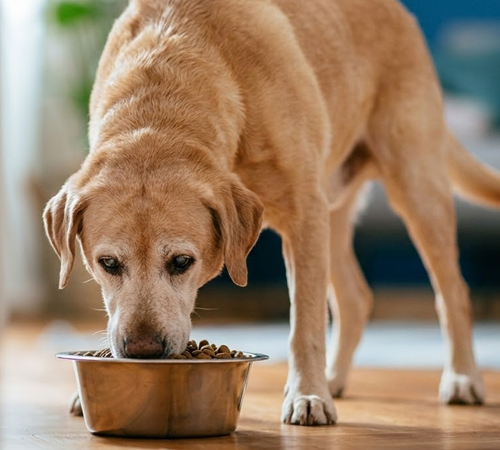
Feeding an older dog should be adapted to their life stage, not stuck in what they ate when they were young. Ideally, look for a food that is digestive, palatable, and appropriate for their current activity. If there is also a tendency toward being overweight, joint problems, or digestive sensitivity, this becomes even more important.
Why a senior or light formula might make more sense
Many older dogs move less, so a high-calorie formula can work against them. Excess weight punishes joints, reduces mobility, and worsens their quality of life. Therefore, depending on the case, a senior or light recipe may be more logical than continuing with standard food.
It's also worth ensuring the food is easy to tolerate, helps maintain good digestion, and fits the needs of this stage. I wouldn't overcomplicate it: better a diet consistent with their life stage than a "trendy" food without a clear objective.
Option to include: Zen Countrys Best Light turkey, chicken, and duck
One option that may fit is Zen Countrys Best Light turkey, chicken, and duck, especially for adult or senior dogs with lower activity or a tendency to gain weight. The logic of including it in the article is that it responds to a very common need in older dogs: maintaining a more controlled diet without losing nutritional quality.

Zen Countrys Best Light turkey, chicken, and duck
Every dog needs an individual assessment, but this can be an interesting option within the general approach to care. In an older dog, choosing better nutrition can be clearly seen in their daily energy, digestion, and physical comfort.
Hygiene care, check-ups, and signs to visit the vet
Caring for an older dog is not just about giving them love and good food. It also involves being more focused on prevention.
Teeth, skin, bathing, and preventive medicine
Dental hygiene is basic because mouth problems can affect appetite, pain, and general well-being. The same goes for skin, coat, and regular baths: keeping them clean and monitored helps detect irritations, lumps, wounds, or changes that might otherwise go unnoticed.
And I'll be very clear here: with an older dog, the vet shouldn't only appear when "things are already bad." Regular check-ups are part of normal care. At this stage, preventive medicine is worth much more.
Signs you shouldn't normalize in an older dog
There are things we shouldn't justify just because of age: sudden loss of appetite, obvious pain, difficulty breathing, frequent vomiting, intense disorientation, inability to get up, continuous whimpering, or very marked changes in behavior. Being a senior doesn't mean they have to suffer in silence.
How to accompany them emotionally at this stage
The emotional part changes a lot when living with a senior dog. Sometimes they no longer seek to play as before, but they do seek to be close. Sometimes they no longer hear your voice well, but they perfectly recognize your presence. And that's where the bond becomes even more important.
Presence, petting, and small changes that make a difference
One of the best ways to accompany them is making them feel they are still part of the family. That they aren't cast aside for going slower. That their place is still nearby. In older dogs, affection isn't always about big gestures: often it's about sitting by their side, petting them calmly, and respecting their pace.
When a dog ages, love also becomes more practical. It's about changing the walk, providing a better bed, adjusting the food, observing more, and demanding less. And that, although it sounds simple, makes a huge difference in their quality of life.
Frequently asked questions about older dogs
What should I do when my dog is already very old? Adapt the house, improve their rest, adjust walks, review their diet, and increase veterinary monitoring. Less demand and more companionship.
What are the symptoms of an old dog? More sleep, less energy, stiffness, gray hair, changes in appetite, lower tolerance for exercise, and variations in behavior.
What food is best for an older dog? One that fits their age, activity, weight, and health status. In some cases, a senior or light formula makes a lot of sense.
When should I worry? When you notice pain, intense apathy, sudden loss of appetite, trouble breathing, strong disorientation, or the inability to get up normally.
Conclusion
An older dog doesn't need a perfect life; they need an adapted life. Quality rest, proper food, a gentle routine, veterinary check-ups, and a lot of presence. At this stage, accompanying them well doesn't mean doing more, but doing better what truly matters.
Leave a Reply Cancel Reply