




What Are Mini Dogs and Why Are They So Popular?
What Are Mini Dogs and Why Are They So Popular?
Mini dogs, also referred to in many searches as miniature dogs or mini toy dogs, have become one of the favorite choices for people who live in apartments, want a manageable pet, or are looking for a dog that fits well into an urban routine. Their small size makes it seem like everything will be easier, but the truth is that each breed has its own temperament, energy level, and care needs.
The rise of small dogs is not explained by space alone. Other factors also play a role, such as how easy they are to carry, the perception that they are simpler to care for, and the wide variety of breeds available. Even so, it is important to avoid assuming that every mini dog is automatically calm or suitable for every household. Some breeds are very active, others are more sensitive, and some require significant coat maintenance or veterinary attention.
That is why this article does more than simply list breeds. The goal is to clearly explain what is really considered a mini dog, which breeds are searched the most, how much they cost, where to adopt one, and what type of food usually works best for small dogs.
Quick Table to Get Started
| Concept | What It Means | Search Examples |
|---|---|---|
| Small dog | A broad category of dogs with a reduced size | small dog breeds, small dog for apartment |
| Miniature dog | A smaller size within a breed or small-dog group | miniature schnauzer, miniature dachshund |
| Toy dog | A popular or commercial term for very small dogs | toy pomeranian, toy chihuahua |
What Is Considered a Mini or Toy Dog?
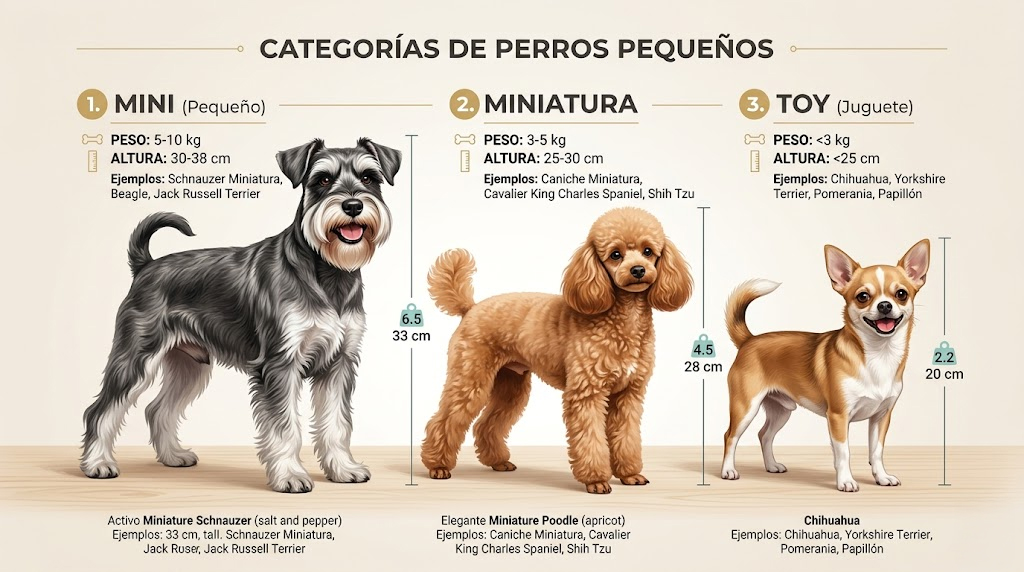
One of the most common questions is whether mini, miniature, and toy mean exactly the same thing. In practice, not always. In many searches they are used as synonyms, but in well-structured content it is worth separating them so the reader understands what they are actually comparing.
In general terms, a mini dog is any small-sized dog. The term miniature usually appears when there is a smaller variety within a specific breed or when referring to dogs that are clearly compact in size. On the other hand, toy is often used as a commercial or popular label for even smaller dogs or for very lightweight companion breeds.
The simplest way to understand it is this: “small dog” is the general group; “miniature” is often a variety or a way to describe a reduced size within a breed standard; and “toy” is a very common Google search term for extremely small dogs. Not every breed officially recognizes a toy category, but users search for it constantly anyway.
The Clearest Differences
- Mini: a broad and highly searched term for small dogs.
- Miniature: a more precise expression used within certain breeds.
- Toy: a popular label for very small companion-sized dogs.
How Much Does a Mini Toy Dog Weigh?
There is no single correct weight for all mini toy dogs, because it depends entirely on the breed. Even so, in general terms, most dogs considered mini or toy tend to fall into lower weight and size ranges compared with medium or large breeds.
The important thing is not to focus only on the commercial label, but to check the usual adult weight range for each breed. A Chihuahua does not weigh the same as a Miniature Schnauzer, and a Pomeranian does not have the same body type as a Miniature Dachshund. That is why any useful guide should explain the approximate size of each breed rather than grouping them all together as if they were the same.
Approximate Weight Range for Mini Dogs
| Dog Type | Approximate Weight | Example |
|---|---|---|
| Very small toy | 1.5 to 3 kg | Toy Chihuahua |
| Very compact mini | 2 to 5 kg | Mini Pomeranian |
| Small but sturdier mini | 4 to 8 kg | Mini Schnauzer, mini toy poodle |
The Most Popular Mini Dog Breeds
Within the world of miniature dogs, there are several breeds that account for most of the search volume. Some stand out because of their adorable appearance, others because of their temperament, and others because they generate strong interest in price-related searches. The best approach is to look at them one by one so the choice is not based only on looks.
Mini Schnauzer: temperament, size, care, and price
The mini schnauzer or miniature schnauzer is one of the most searched small dog breeds. It stands out for its signature beard, elegant appearance, and alert personality. It is not the typical purely ornamental dog: it is active, watchful, intelligent, and very aware of what is going on around it.
In terms of size, it stays within a comfortable range for people who want a small dog but still want some physical presence. That balance makes many people see it as one of the best options for families or for anyone looking for a mini dog with a strong personality.
Its care needs are mainly related to coat maintenance, facial hygiene, good early training, and a balanced diet to prevent excess weight.

Toy Pomeranian or Mini Pomeranian: differences, care, and price
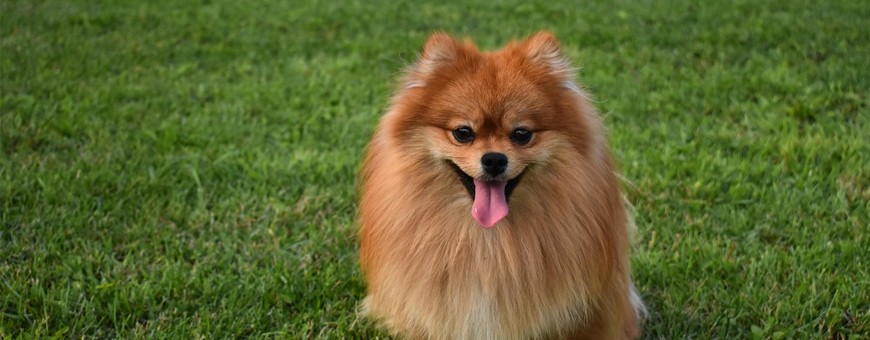
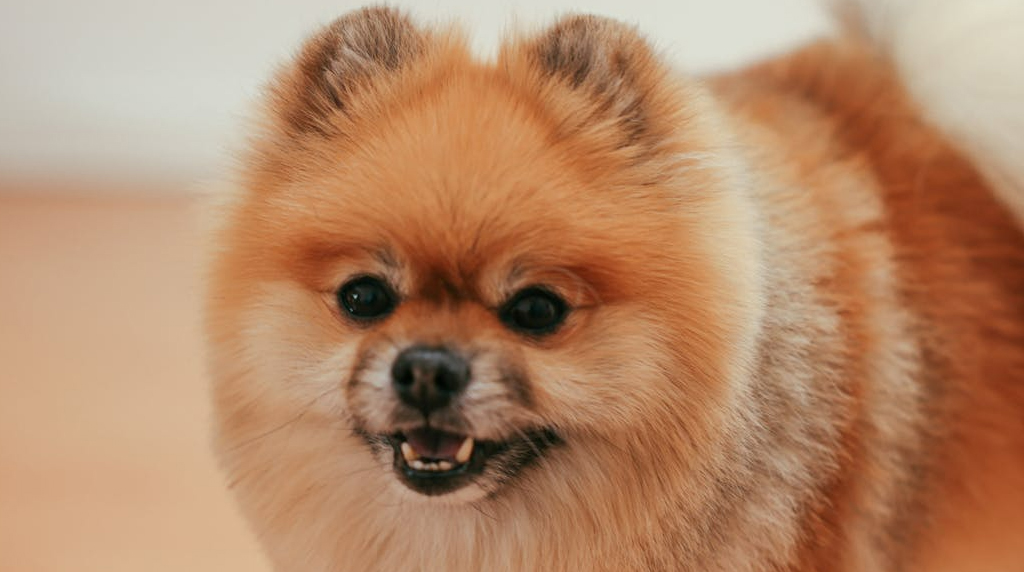
The toy pomeranian or mini pomeranian is one of the most popular mini dogs thanks to its eye-catching appearance and compact size. It has strong visual appeal, but it should not be reduced to simply being a “cute little dog.” It is an energetic, alert, and highly expressive breed.
Its main defining feature is its abundant coat, which requires frequent brushing and consistent care. It also needs early socialization and clear routines to prevent nervous behavior or excessive barking.
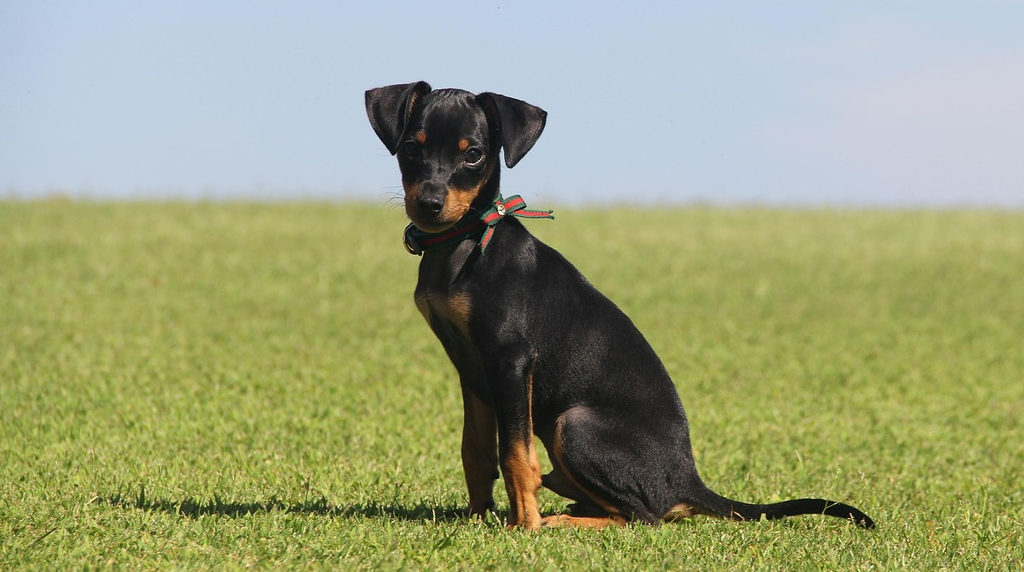
Mini Pinscher or Miniature Pinscher: what it is like and how much it costs
The mini pinscher or miniature pinscher is a small dog with a lot of personality. It is usually described as brave, energetic, quick, and very self-confident. It does not look fragile, although because of its size it still requires certain handling precautions, especially in cold weather or around impacts.
It is a good breed for people who want a very active mini dog with a marked temperament. Early training is important, as are daily exercise and a consistent routine.
Mini Toy Poodle: sizes, temperament, and maintenance
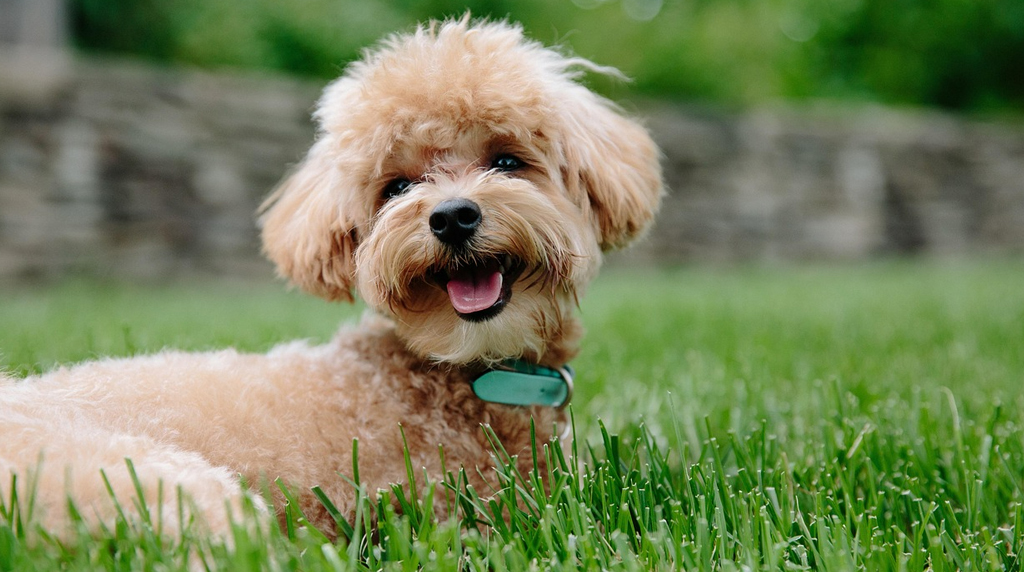
The mini toy poodle is especially appealing to people looking for a very intelligent and manageable small dog. One of the breed’s clearest strengths is its learning ability, but for that very reason it needs mental stimulation and should not be underestimated because of its size.
One of the most common mistakes is to assume that every small poodle belongs to the same category. In reality, there are different sizes, and it is important to explain them properly so the terms are not mixed up. That clarification helps both the user and the SEO value of the article.
Coat maintenance is an important part of its care. Diet and exercise should also be monitored to keep it in good physical condition without excess weight.
Mini Dachshund: personality, care, and price
The mini dachshund is a very recognizable small breed because of its long body and short legs. It is curious, brave, and usually very attached to its family. It can also have a stubborn side, so patient and consistent training is recommended.
This breed requires special attention when it comes to weight control and back health. Excess weight and unnecessary jumping can become serious problems. That is why, even though it is a mini dog, its care should never be treated as minimal.

Toy Chihuahua: what to expect from this small breed
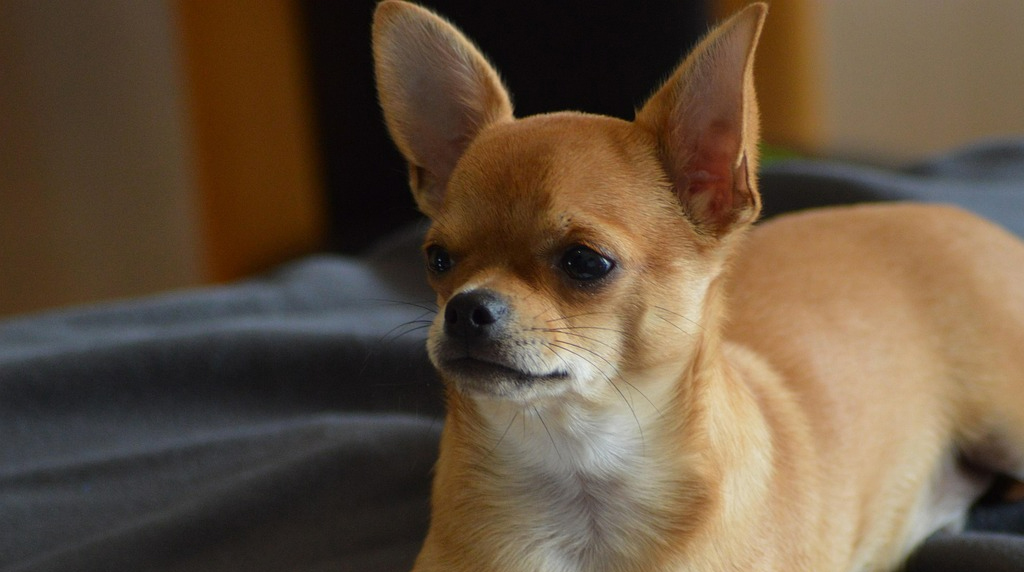
The toy chihuahua is one of the smallest miniature dog breeds. Its size makes many people see it as a perfect option for apartments or for those who want a very lightweight and easy-to-carry companion.
However, the Chihuahua is not a dog without character. It is usually alert, intense, expressive, and very bonded to its close environment. It can be affectionate, but it also needs socialization, training, and balanced daily life.
Its care includes protection from low temperatures, avoiding rough handling, and offering a diet suited to its small size. Even though it is tiny, it still needs routine, attention, and proper physical and emotional well-being.
Mini Maltese or Mini Maltese Bichon: why it is gaining popularity
The mini maltese or mini maltese bichon is one of the searches generating the most interest right now. It is associated with home life, a clean appearance, and an affectionate personality, which makes it a very attractive option for calm households or families.
Its main strength is that it tends to adapt well to small spaces, but its care needs are not minor. The coat requires regular maintenance, the tear-stain area needs attention, and overall hygiene must be maintained consistently.

Food for Mini Dogs
Food for mini dogs deserves its own section because small breeds have very specific needs. Kibble size, digestibility, weight control, and digestive sensitivity are especially important factors in miniature dogs.
In general, a mini dog benefits from formulas designed for small breeds, with kibble that is easy to chew and a balanced composition to help prevent excess weight. It is also common for some dogs to need extra attention if they have digestive sensitivity or delicate skin.
What a good dry food for mini dogs should include
- Kibble adapted to small mouths.
- Good digestibility.
- Calorie control to prevent excess weight.
- Quality protein and a balanced formula.
- Specific options for digestive or skin sensitivity.
Recommended dry food for sensitive mini dogs
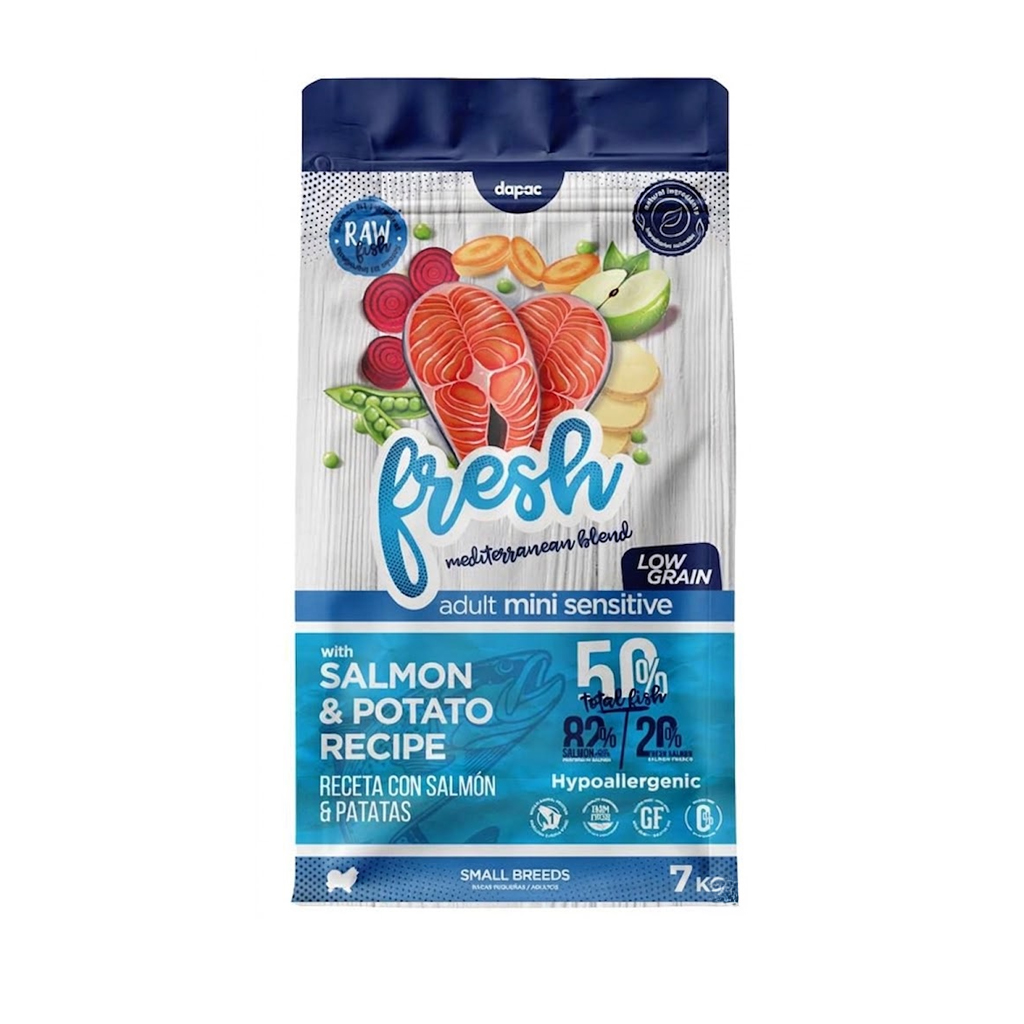
A good example in this category is Fresh Mediterranean Blend Adult Mini Sensitive, a dry food option designed for adult mini dogs with sensitivity. This type of formula is especially interesting when looking for a recipe adapted to small size while also being focused on delicate digestion.
In this case, the formula is based on salmon and potato, with a low grain composition, which is often appealing to people who prioritize specific ingredients and a formula more tailored to sensitive dogs. Since it is specifically designed for mini-sized dogs, it fits naturally within a guide about nutrition for small breeds.
What Is the Smallest Miniature Dog?
Among the best-known breeds, the Chihuahua is usually considered one of the smallest miniature dogs. Its weight and size place it among the tiniest options within the toy or mini group.
That does not mean it is automatically the best choice for everyone. Being very small does not remove the need for training, socialization, or specific care. In some cases, the opposite is true: the smaller the dog, the more attention it may need in terms of handling, temperature, and physical fragility.
Which Mini Dog Is Best for an Apartment?
The answer depends less on size and more on temperament. Many people think any mini dog is perfect for apartment living, but what really matters is the energy level, adaptability, available time for care, and the training the dog receives.
Breeds such as the Maltese Bichon, the Pomeranian, or some small poodles can adapt very well to smaller spaces if they receive attention, walks, and mental stimulation. On the other hand, some small breeds can be more active or more vocal and may require a more prepared living environment.
The best choice should not be based only on “which one takes up less space,” but on “which one fits the household’s lifestyle best.”
Mini dogs are an excellent option for many homes, but choosing well means looking beyond size. Understanding the difference between mini, miniature, and toy helps with better comparisons. Knowing the temperament of each breed helps avoid common mistakes. And considering price, adoption, and food makes the decision much more complete.
From a practical point of view, breeds like the mini schnauzer, toy pomeranian, mini pinscher, mini toy poodle, mini dachshund, toy chihuahua, and mini maltese account for much of the current interest. Each one has different advantages and also specific care needs.
The best way to make the right choice is not to pick the smallest dog possible, but the one that best matches the available space, lifestyle, and real ability to care for it properly.
Frequently Asked Questions About Mini Dogs
What is the difference between mini and toy?
In common use, “mini” refers to small dogs in general, while “toy” is often used for even more compact dogs or as a commercial label. In many searches, the two terms overlap.
How much does a mini toy dog weigh?
It depends on the breed, but in general they weigh much less than medium or large dogs. The right way to judge it is by checking the standard or usual range of the specific breed.
How much does a miniature schnauzer cost?
The price changes depending on the breeder, documentation, veterinary checks, country, and level of demand. It is always better to value responsible origin over the lowest cost.
Where can you find mini dogs for free adoption?
The most recommended option is to go to shelters, breed associations, verified adoption platforms, and responsible channels that provide veterinary and behavioral information about the dog.
What kind of food does a mini dog need?
A mini dog usually needs food adapted to small breeds, with kibble sized for its mouth, a balanced composition, and calorie control. If it has digestive sensitivity, specific formulas are often the best option.
mulas específicas.
Leave a Reply Cancel Reply