




Mini Schnauzer: characteristics, temperament, care and tips before getting one
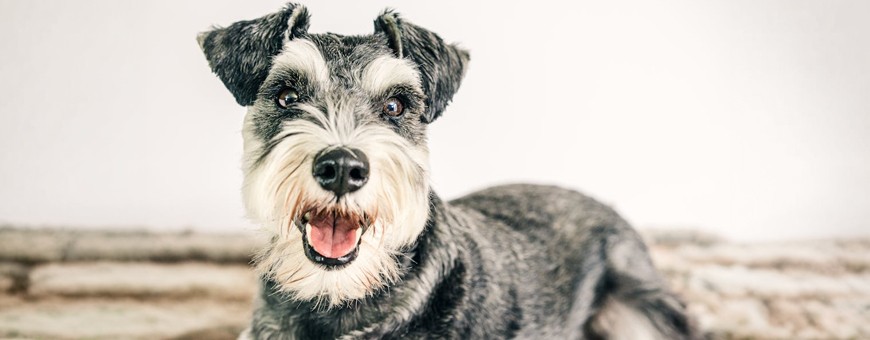
The mini schnauzer is one of those dogs that only seem small on the outside. It has a compact size, yes, but also a huge personality: it is smart, alert, affectionate, brave and very aware of everything happening around it. That is why many families choose it as a companion dog, especially those looking for a manageable, active breed with that unmistakable look of marked eyebrows, bushy whiskers and an “important gentleman” beard.
Also known as the miniature schnauzer, this dog stands out for combining several highly valued qualities: it usually sheds little hair, adapts well to apartment life if it gets enough exercise, can live with children and other dogs if properly socialized, and has a fairly good life expectancy, usually between 12 and 15 years.
However, it is not a decorative plush toy or a zero-maintenance dog. The mini schnauzer needs daily activity, training, mental stimulation and frequent care of its coat, beard and ears. It can also be quite vocal: many individuals are quick to alert when they hear noises, see strangers or detect anything unusual.
In this guide, we review its characteristics, temperament, care, health, coexistence, pros and cons, diet and everything you should know before having a mini schnauzer at home.
What is a mini schnauzer?
The mini schnauzer is the smallest version of the schnauzer family. It is a small dog, but with a strong body, intense expression and lively temperament. Although today it is mainly associated with family companionship, its origin is linked to farm work, where it was used as a ratting and watchdog.
This background explains quite well what the breed is like today: alert, curious, quick to react and very connected to its surroundings. It is not unusual for a mini schnauzer to sit near the door, watch from a window or bark when someone approaches. It has a bit of a “home guard” attitude which, if well managed, can be useful; if poorly managed, it can turn into excessive barking.
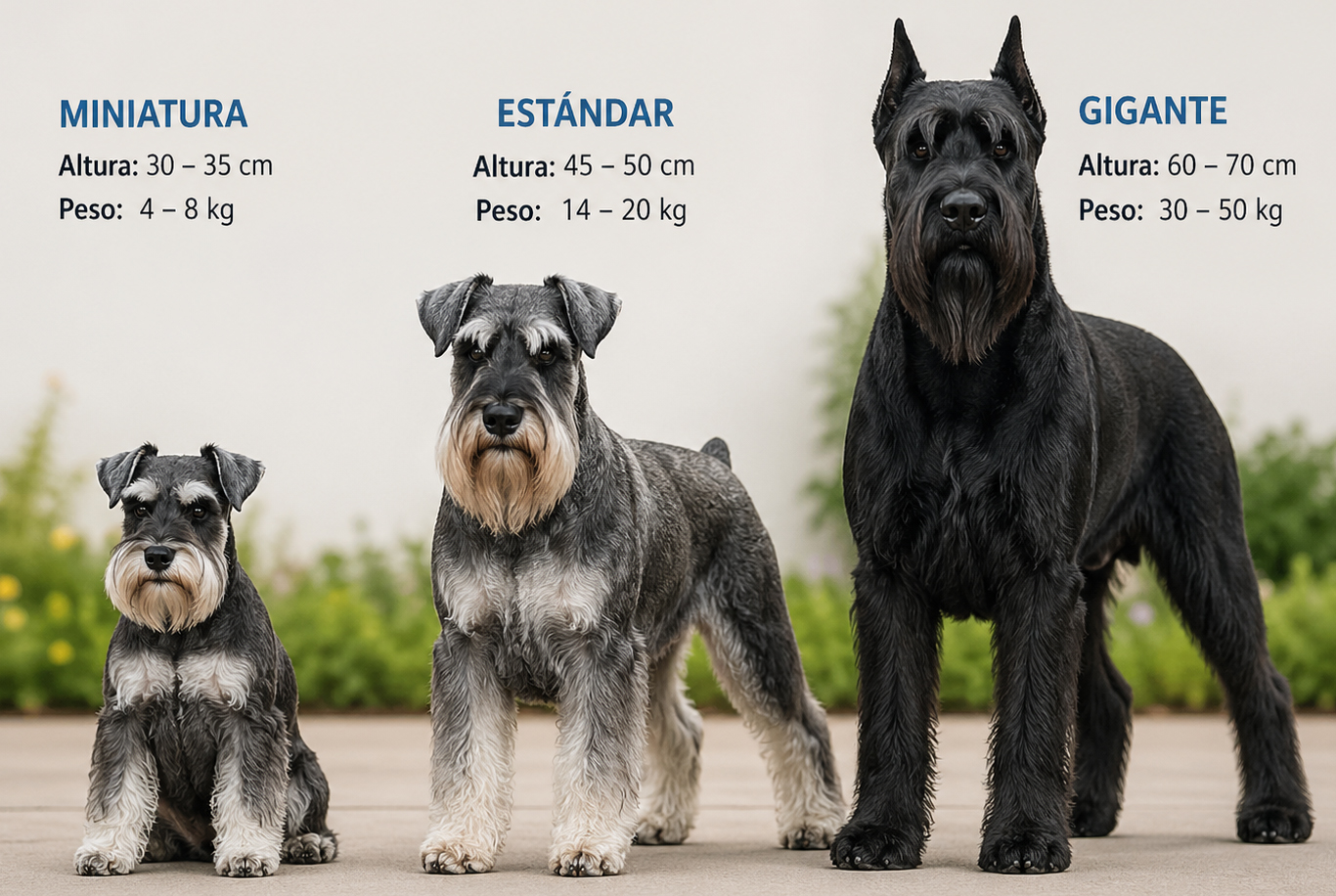
Differences between mini, standard and giant schnauzers
| Type of schnauzer | Approximate size | General profile |
|---|---|---|
| Miniature schnauzer | 30-36 cm | Small, active, family-friendly and alert |
| Standard schnauzer | 45-50 cm | More robust, versatile and strong-willed |
| Giant schnauzer | 60 - 70 cm | Powerful, protective and more demanding to handle |
The miniature schnauzer retains many traits of the standard schnauzer, but in a more manageable format for urban homes. Even so, small size should not be confused with low attention needs. The mini schnauzer needs walks, games, routines and clear rules.
Origin and history of the breed
The mini schnauzer was developed in Germany at the end of the 19th century. It originated from the standard schnauzer and crosses with small breeds such as the miniature pinscher and the affenpinscher, with the aim of creating a compact dog that was effective against rodents and capable of guarding rural environments.
Its first registration dates back to around 1888, and the breed was recognized as a distinct variety at the end of the 19th century. Its past as a farm dog is still present in its behaviour: it is observant, quick, somewhat territorial and has a hunting instinct that may appear around small animals.
Physical characteristics of the miniature schnauzer
The miniature schnauzer has a very easy-to-recognize appearance. It is small, but not delicate. Its body is compact, athletic and well proportioned. At first glance, it conveys firmness, energy and plenty of personality.
Its most distinctive features are its bushy eyebrows, whiskers and beard, which give it a serious, almost human expression. This unique image is one of the reasons why the breed is so popular, although it also involves specific care to keep it clean and in good condition.
Size, weight and life expectancy
The mini schnauzer usually measures between 30 and 36 cm at the withers and weighs approximately between 5.4 and 9.1 kg. This is an ideal size for many homes, including apartments, as long as the dog gets enough activity and does not spend the whole day without stimulation.
Its life expectancy is usually between 12 and 15 years, although it can vary depending on genetics, diet, exercise, weight, veterinary check-ups and quality of care. As with any breed, a balanced lifestyle makes a big difference.
Accepted colours and coat type
The most common and recognized colours of the miniature schnauzer are:
- Black.
- Black and silver.
- Salt and pepper.
- White.
Its coat is coarse, hard and has a dense undercoat. This texture helps it shed little compared to other breeds, but it also requires regular maintenance. This is not a dog that can simply be bathed every now and then and that’s it. Its coat needs brushing, trimming and, depending on the grooming style, specific grooming techniques.
Eyebrows, beard and distinctive look
The mini schnauzer’s beard is an essential part of its charm, but also one of the areas that requires the most care. After eating or drinking, it can accumulate moisture, food remains and dirt. If it is not cleaned frequently, bad odours or stains may appear.
In practice, one of the most common mistakes is focusing only on the attractive body trim and forgetting daily facial hygiene. The beard, whiskers, eyebrows and ears need constant attention so the dog keeps looking good and stays comfortable.
Mini schnauzer temperament
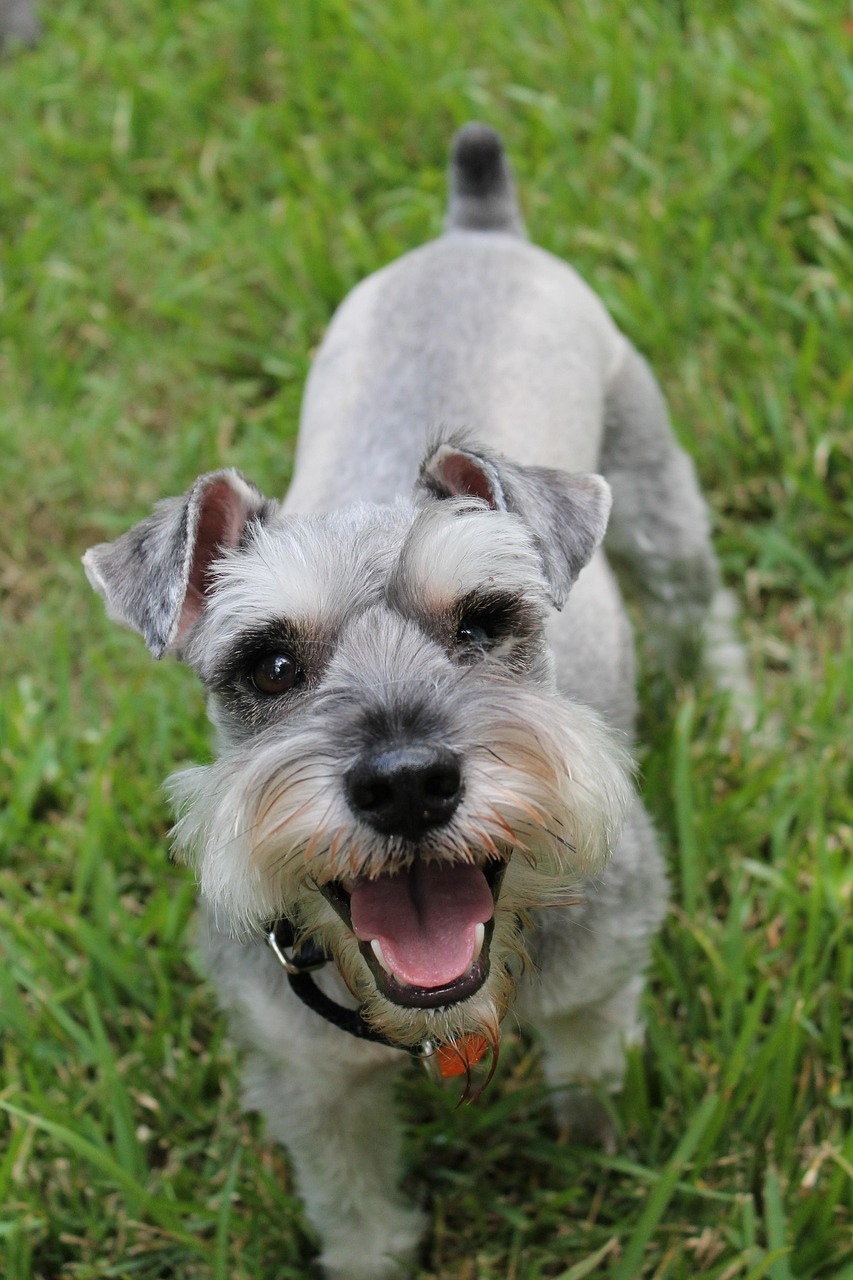
The mini schnauzer’s temperament is a very interesting mix of intelligence, affection, vigilance and energy. It is a dog that is usually very attached to its family and enjoys taking part in everyday life. It likes to be close, know what is going on and feel included.
It is not usually an indifferent dog. If there is movement at home, it will probably be watching. If someone arrives, it will notice. If you suggest a game, it will usually respond enthusiastically. This involvement makes it a very fun companion, but it also requires time and attention.
An intelligent, loyal dog very attached to its family
The miniature schnauzer is an intelligent, loyal and affectionate dog. It learns quickly, understands routines easily and usually bonds strongly with its caregivers. That is why it can be a very rewarding breed when trained consistently.
However, that intelligence has two sides. If it receives good stimulation, it learns rules, tricks and positive habits. If it gets bored, it may look for its own ways to entertain itself: barking, chasing things, demanding attention or getting into places it shouldn’t.
Does the mini schnauzer bark a lot?
One of the most common questions is whether the mini schnauzer barks a lot. The realistic answer is: it can be quite vocal. Not all individuals bark the same amount, but the breed has a tendency to alert. If it hears a noise, sees someone passing by or detects something strange, it will often react.
This does not mean it is impossible to live with one in an apartment. It means it is advisable to work on this from puppyhood:
- Socialization with people, dogs, sounds and environments.
- Basic commands such as “stay”, “come” or “enough”.
- Avoid reinforcing barking with constant attention.
- Provide enough exercise and mental stimulation.
A balanced mini schnauzer can be an excellent companion dog. A bored, overexcited or poorly guided one can become noisy.
Leave a Reply Cancel Reply