




Chihuahua: personality, care, types, health, and tips before getting one.
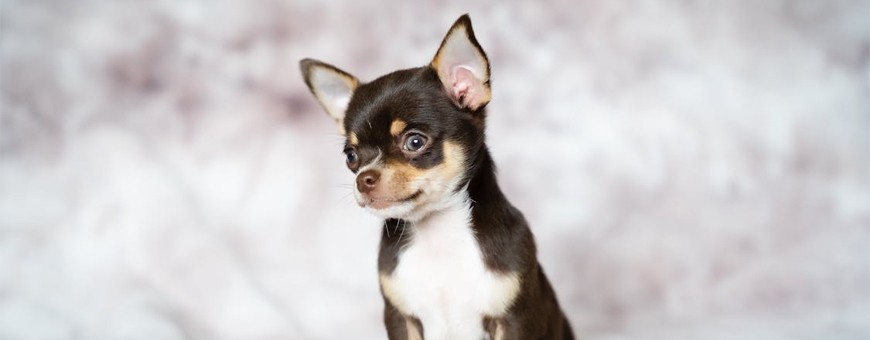
The Chihuahua is one of those dogs that can be misleading at first glance. You see it small, compact, with its huge ears and those round, expressive eyes, and you might think it is a delicate dog, easy to handle and almost decorative. But nothing could be further from the truth. The Chihuahua dog has a huge personality inside a tiny body.
In my case, what strikes me most about this breed is that it often does not seem aware of its size. It may weigh only a few kilos, but it behaves as if it were twice as big. It is observant, quick, very attached to its family and, if it notices something strange, it does not hesitate to alert you. That is why many people say that the Chihuahua is “small in body, but giant in character”.
That said, it is not all cuteness and shiny eyes. The Chihuahua needs training, socialization, routines and specific care. If everything is allowed just because it is small, it can become barky, possessive or distrustful. If it is well trained, however, it can be an affectionate, fun, brave and very loyal companion.
In this guide, I will tell you what the Chihuahua is really like: its origin, physical characteristics, personality, best-known types, basic care, most common health problems and what you should know before living with one.
Quick facts about the Chihuahua
| Characteristic | Information |
|---|---|
| Name | Chihuahua |
| Origin | Mexico |
| Size | Very small |
| Approximate height | 15–25 cm, although some can reach around 30 cm |
| Usual weight | Approximately 1.5–4 kg |
| Life expectancy | Can live up to 18 years or more |
| Coat | Short or long |
| Personality | Intelligent, alert, loyal, active and very attached to its family |
| Exercise level | Moderate |
| Suitable for apartments | Yes, with walks and daily stimulation |
| Sensitive points | Cold, excess weight, teeth, joints and socialization |
Size, weight and life expectancy
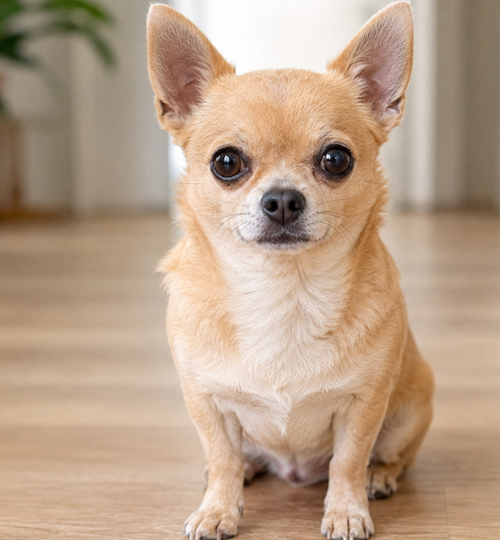
The Chihuahua is one of the smallest dog breeds in the world. It usually measures between 15 and 25 cm at the withers, although some individuals can get close to 30 cm. Its weight normally ranges between 1.5 and 4 kg, depending on the line, build and lifestyle.
Although it is small, you should not become obsessed with making it weigh as little as possible. A healthy Chihuahua does not have to be extremely tiny. In fact, looking for excessively small dogs can increase health risks. What matters is not that it is “mini”, but that it has a good structure, a healthy body condition and up-to-date veterinary check-ups.
It is also a fairly long-lived breed. Many Chihuahuas can live 15, 18 years or even longer if they receive good care, proper nutrition, moderate exercise and regular veterinary attention. However, living many years also implies responsibility: you need to pay special attention to their teeth, heart, joints, eyes and weight.
Coat, colours and most recognisable physical traits
The Chihuahua has a small, compact body and quick movements. Its most recognisable features are its large, round eyes, large upright ears and domed skull, especially in apple-head specimens.
Something worth knowing is that some Chihuahuas may have a softer area on the top of the skull because the bones have not completely fused. It is not something to panic about, but it does mean the dog should be handled carefully and protected from knocks.
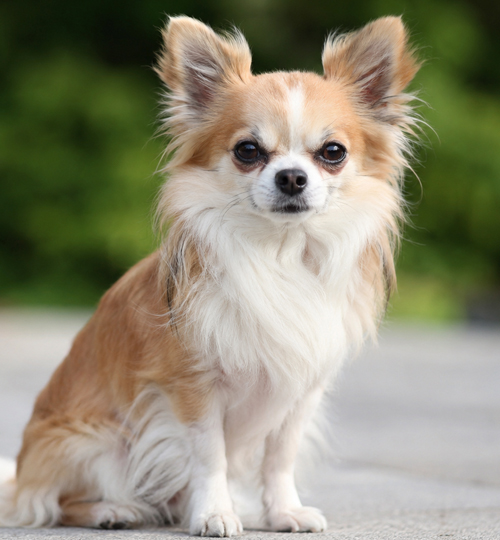
There are short-haired and long-haired Chihuahuas. Short-haired Chihuahuas usually require less brushing, while long-haired ones need a little more maintenance to avoid tangles, especially behind the ears, on the chest and around the legs.
Who this breed is recommended for
The Chihuahua can be a wonderful breed for people who live in apartments, calm families, active older people or owners looking for a small dog with a big presence. It does not need large spaces, but it does need attention, walks, playtime and training.
I would not recommend it to anyone looking for a “decorative” dog or who thinks that, because it is small, it does not need to be walked or trained. That is one of the most common mistakes. A Chihuahua is still a dog: it needs to sniff, walk, interact, learn rules and burn energy.
Origin and history of the Chihuahua
The Chihuahua has a very interesting history. Most theories suggest that it descends from the Techichi, a companion dog associated with the Toltec civilisation in Mexico. References to similar dogs have also been found in places such as the pyramids of Cholula and the ruins of Chichén Itzá.
This gives the breed a much richer context than the simple idea of a “small handbag dog”. The Chihuahua is not a recent trend: it is connected to Mexican history and to ancient dogs that accompanied people centuries ago.
From the Techichi to the modern Chihuahua
The Techichi was a small companion dog linked to pre-Hispanic cultures. Over time, these dogs evolved into the modern Chihuahua, a breed that eventually took its name from the Mexican state of Chihuahua.
What is interesting is that today’s Chihuahua maintains something very consistent with the idea of a companion dog: it becomes extremely attached to its family. It is one of those dogs that does not simply want to be “nearby”; it wants to be part of everything. If you are on the sofa, it will be watching. If you get up, it will probably follow you. If someone arrives home, it will be among the first to notice.
Why this breed is associated with Mexico
The association with Mexico is key to understanding the Chihuahua’s identity. It is not just a small and popular breed: it is deeply linked to the Mexican imagination, both because of its name and because of the theories surrounding its origin.
In an SEO article about Chihuahuas, this point is very useful because it provides context, authority and differentiation. Many pieces of content talk about weight and temperament, but few properly explain where the breed comes from and why it has such historical value.
What is the Chihuahua’s personality like?
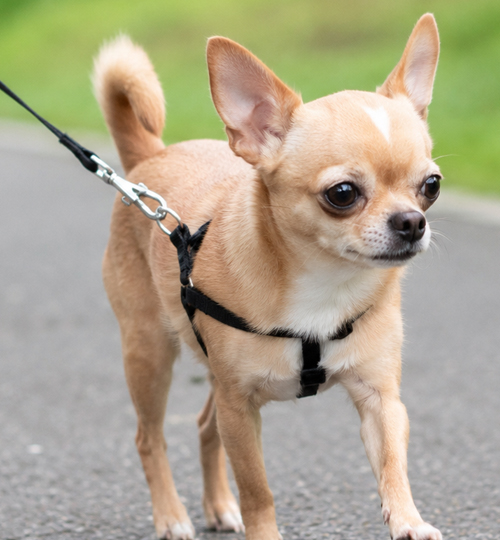
The Chihuahua’s personality is one of the most important aspects of the breed. It is an intelligent, observant, lively dog that is very devoted to its family. It can be affectionate and sweet, but also stubborn, jealous or distrustful if it is not trained properly.
It is worth saying this clearly: the Chihuahua’s temperament depends a great deal on its upbringing. It is not a “bad”, “aggressive” or “hysterical” breed by nature. What happens is that it is often allowed to do anything because it is small, and that ends up creating behavioural problems.
A small dog with a lot of personality
The Chihuahua has a lot of personality. It is quick, attentive and usually reacts immediately to noises, visitors or unusual movements. That is why many people see it as a small watchdog.
In my case, one of the ideas I would repeat most about this breed is this: do not confuse small with simple. The Chihuahua thinks, observes and learns quickly. If it discovers that barking gets it arms, food or attention, it will repeat it. If it learns that calm behaviour is rewarded, it will understand that too.
Affectionate, alert and very attached to its family
With its family, the Chihuahua can be extremely affectionate. It likes to stay close, seeks contact and often chooses one or two people as its main points of reference. That devotion is beautiful, but it can turn into dependence or jealousy if it is not managed well.
It is also an alert dog. If it notices the presence of a stranger, it will probably warn you. This does not have to be a bad thing, as long as it is worked on from puppyhood so that every noise or visit does not become a constant alarm.
Why training changes its temperament so much
A well-socialised Chihuahua can live with people, respectful children, other dogs and even cats. But if it is raised isolated, overprotected or without boundaries, it can become fearful, barky or possessive.
The key is to teach it from puppyhood that the world is not a threat. It should be introduced to sounds, people, balanced dogs, new places and routines. Above all, it should understand basic rules: when to eat, when to go for a walk, where to sleep and which behaviours are not rewarded.
Types of Chihuahua: coat, head and size
When people search for “types of Chihuahua”, they usually want to know whether there are different varieties. This needs some clarification: officially, the clearest distinction is between short-haired Chihuahuas and long-haired Chihuahuas. Then there are popular terms such as apple head, deer head, toy or mini.
Short-haired Chihuahua and long-haired Chihuahua
The short-haired Chihuahua has a smooth coat that lies close to the body and is easy to maintain. This does not mean it does not shed, but it usually requires less brushing than the long-haired variety.
The long-haired Chihuahua has a more elegant and fluffy appearance, with feathering on the ears, tail, chest and legs. It needs more frequent brushing, especially to prevent tangles.
Both can have a good temperament, both need training and both require similar care. The main difference lies in coat maintenance and appearance.
Apple-head Chihuahua and deer-head Chihuahua
The apple-head Chihuahua usually has a more rounded skull, a shorter muzzle and more prominent eyes. It is the most typical image of the breed.
The so-called deer-head Chihuahua has a slightly longer muzzle, a less rounded head and a structure that resembles that of a young deer. It is a popular and widely searched term, but it should be used carefully because it does not always correspond to an official classification.
The truth about the toy or mini Chihuahua
The term “toy Chihuahua” or “mini Chihuahua” is widely used in searches, advertisements and conversations, but it should be approached with caution. The Chihuahua is already a small breed. Looking for increasingly tiny specimens can lead to health problems.
Before choosing a dog based on size, I would look at other things: the health of the parents, temperament, breeding conditions, veterinary check-up, early socialization and the responsibility of the breeder or shelter. A healthy and balanced Chihuahua is worth much more than one that is simply “mini”.
Basic Chihuahua care
The Chihuahua does not need extremely complicated care, but it does need consistent care. Its small size leads some people to underestimate it, and that is where many problems begin. It needs walks, good food, warmth in winter, veterinary check-ups and consistent training.
Walks and daily exercise
Although it is small, the Chihuahua needs to go outside every day. Ideally, it should have 2 or 3 daily walks, adding up to around 20–30 minutes of moderate exercise, adapted to its age, health and energy level.
There is no need for endless routes, but it should be given opportunities to sniff, explore and move around. A walk is not just physical exercise: it is also mental stimulation. For a dog as observant as the Chihuahua, going outside helps it burn energy and relate better to its environment.
Diet and weight control
The Chihuahua has a small stomach, but plenty of energy. That is why it should be given high-quality food, properly measured and adapted to its weight, age and activity level.
One common mistake is giving it too many treats or table scraps. Because it weighs so little, any excess shows quickly. Being overweight can affect a Chihuahua’s joints, breathing, heart and mobility.
In my case, I would strongly insist on this: being small does not mean it can eat “a little bit of everything” without consequences. Precisely because of its size, quantities need to be measured more carefully.
Cold, bathing and coat care
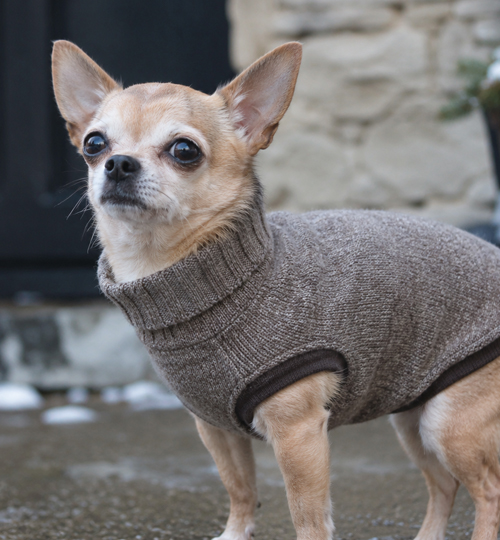
The Chihuahua is sensitive to the cold. In winter, many appreciate a comfortable coat, especially if they are short-haired, older, puppies or live in cold areas. It is not dressing them up for fun: it is helping them maintain body temperature.
As for bathing, bathing once a month or whenever necessary may be enough, using warm water and dog-specific shampoo. Brushing will depend on the type of coat: simpler for short hair and more frequent for long hair.
Safety at home and with large dogs
Because of its size, care must be taken with falls, jumps from sofas or beds, rough play and encounters with large dogs that are too intense. It is not about putting it in a bubble, but about preventing accidents.
Children should also be taught to treat it with respect. A Chihuahua is not a toy. It may be small, yes, but it needs space, rest and careful handling.
How to train and socialise a Chihuahua
Training a Chihuahua does not mean making it tougher or removing its character. It means giving it tools to live calmly. A well-trained Chihuahua understands boundaries, knows how to wait, responds better to visitors and does not need to bark at everything.
Socialization from puppyhood
Socialization is essential. From puppyhood, it should be introduced to different people, sounds, balanced dogs, surfaces, cars, street noises and everyday situations. Everything should be done gradually and positively.
If it is not properly socialized, it can become unfriendly, distrustful or reactive. And because many people pick it up whenever there is any stimulus, the dog may learn that everything outside is dangerous.
Boundaries, routines and well-used rewards
The Chihuahua needs clear routines: meals, walks, rest and playtime. It also needs to know which behaviours receive attention and which do not.
It is a clever dog. If it discovers that insisting gets it what it wants, it will insist even more. That is why rewards should come when it shows appropriate behaviour: calmness, obedience, good walking, responding to its name or interacting calmly.
Common mistakes: treating it like a baby or allowing everything
The most common mistake is treating the Chihuahua as if it were a human baby. Carrying it all the time, not letting it walk, allowing growling, reinforcing barking or permitting behaviours that we would not accept in a larger dog.
A phrase that sums up this breed very well would be: it needs affection, but also structure. Cuddles yes; rules too.
Chihuahua health: common problems and prevention
The Chihuahua is usually a long-lived breed, but that does not mean it has no delicate points. Like any breed, it may be predisposed to certain health problems.
Bone, joint and dental problems
Among the problems to watch out for are dislocations, joint discomfort, slipped discs and dental problems. The mouth is especially important because small dogs tend to accumulate tartar and may lose teeth if oral hygiene is not cared for.
Excessive jumping or knocks should also be avoided, especially in very small dogs or dogs with a delicate structure.
Eyes, heart and other diseases to watch for
The Chihuahua’s large eyes can be more sensitive to irritation or infection. Heart problems, epilepsy, cleft palate or other conditions that require veterinary monitoring may also appear.
You do not need to live in fear, but you do need prevention. Check-ups, vaccinations, deworming and early attention to unusual symptoms make all the difference.
Vaccinations, veterinary check-ups and warning signs
A Chihuahua should follow its vaccination schedule and visit the vet regularly. It is also advisable to go to the vet if signs appear such as persistent coughing, apathy, loss of appetite, limping, difficulty breathing, irritated eyes, seizures or sudden behavioural changes.

Is the Chihuahua a good breed for you?
The Chihuahua can be a wonderful breed, but it is not for everyone. It is ideal if you are looking for a small, loyal, intelligent, fun dog with a lot of personality. But it is not the best option if you want an independent dog that barely needs attention.
Advantages of living with a Chihuahua
- Very convenient size for apartments and small homes.
- Loyal personality and very attached to its family.
- Good life expectancy.
- Can travel relatively easily.
- Expressive, attentive and very involved.
- Does not need large spaces if it has daily walks.
Its main advantages are its size, attachment, longevity and ability to adapt to small apartments. It is also a very expressive dog and usually creates a very strong bond with its family.
In addition, if it is well trained, it can be an excellent everyday companion. It does not take up much space, can travel relatively easily and is usually delighted to take part in family life.
Disadvantages to know beforehand
- It can bark quite a lot if this is not worked on.
- It can be jealous or possessive.
- It is sensitive to the cold.
- It needs dental care.
- It requires socialization from puppyhood.
- It should not miss walks just because it is small.
The biggest disadvantage is not the breed itself, but the way it is sometimes raised: too much overprotection, few boundaries and little exposure to the real world.
Final tips before adopting or buying
Before getting a Chihuahua, ask yourself whether you can give it time, training, veterinary check-ups, daily walks and a stable life. If you are going to buy, look for a responsible breeder. If you can adopt, consider shelters and associations.
And remember something important: a Chihuahua does not need to be treated like an ornament. It needs to be treated as what it is: a small dog, yes, but a complete one.
Frequently asked questions about the Chihuahua
How long does a Chihuahua live?
A Chihuahua can live between 12 and 18 years, and even longer in some cases. Its longevity depends on genetics, diet, weight, exercise, dental health and veterinary check-ups.
How much does an adult Chihuahua weigh?
An adult Chihuahua usually weighs between 1.5 and 4 kg. Rather than chasing the lowest possible weight, what matters is that it has a healthy body condition.
How much does a Chihuahua dog cost in Spain?
The price of a Chihuahua in Spain can vary greatly depending on the breeder, pedigree, age, health, area and breeding conditions. It can range from adoptions with veterinary costs to much higher figures from specialised breeders. The important thing is not to choose based only on price: ask for health guarantees, check-ups, information about the parents and avoid impulsive purchases.
What are the 3 types of Chihuahua?
Popularly, people talk about short-haired or long-haired Chihuahuas, apple-head or deer-head Chihuahuas, and toy or mini Chihuahuas. However, it is worth clarifying that not all of these terms are official classifications. The clearest types are short-haired and long-haired Chihuahuas.
Is it good to have a Chihuahua at home?
Yes, it can be a very good house dog, especially in apartments. But it needs walks, training, socialization and boundaries. It is not enough to carry it in your arms or let it sleep all day.
What should I know about a Chihuahua dog?
You should know that it is small, intelligent, sensitive to the cold, very loyal and quite alert. You should also know that it can develop bad behaviour if everything is allowed or if it is not socialized from puppyhood.
Where should a Chihuahua dog sleep?
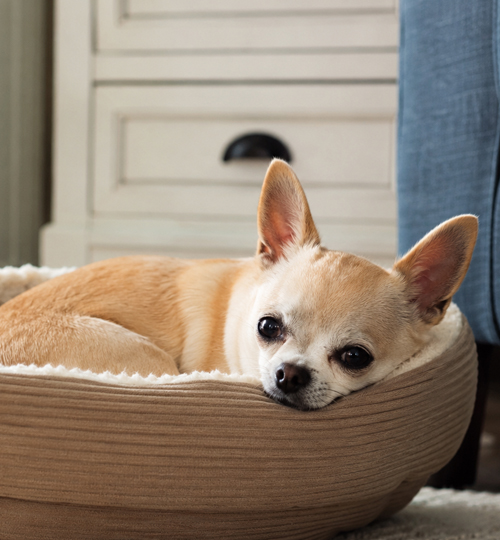
Ideally, it should sleep in its own comfortable, warm bed located in a quiet place. It can sleep near the family, but it should learn to rest without always depending on being on top of its owner.
Do Chihuahuas need to be walked every day?
Yes. Chihuahuas need to be walked every day. Even though they are small, they need to move, sniff, explore and release energy. Several short outings per day are recommended.
Does the Chihuahua bark a lot?
It can bark quite a lot if it is not well trained or if it feels insecure. However, with socialization, routines and boundaries, it can learn to be calmer.
Can it live in a small apartment?
Yes, the Chihuahua can live perfectly well in a small apartment. The important thing is that it has daily walks, mental stimulation and a quiet place to rest.
Does it get along well with children and other pets?
It can get along well with children and other pets if it is properly socialized. With small children, they must be taught to handle it carefully, because it is a physically fragile dog.
Why does a Chihuahua shake?
A Chihuahua may shake because of cold, excitement, fear, stress or health problems. If it shakes a lot, seems to be in pain or changes its behaviour, it is advisable to consult a vet.
What is the 3-3-3 rule with dogs?
The 3-3-3 rule is an adaptation guide, especially useful for adopted dogs: 3 days to decompress, 3 weeks to start adapting and 3 months to truly feel at home.
What are the signs that a Chihuahua is happy?
A happy Chihuahua is usually curious, eats well, rests calmly, seeks contact, plays, wags its tail in a relaxed way and responds confidently to its family.
What is the main cause of death in Chihuahuas?
In older Chihuahuas, heart disease, age-related problems and chronic illnesses can play a major role. Even so, it should not be generalised: veterinary check-ups are key to detecting problems in time.
The Chihuahua is much more than a small dog. It is a breed with history, character, intelligence and an enormous capacity for bonding. It can be affectionate, fun and very loyal, but it also needs training, socialization and constant care.
For me, the key is to understand it properly: it is not a stuffed toy, it is not a baby and it is not a dog that can live without rules just because it weighs very little. It is an intense, clever and sensitive companion that responds very well when treated with affection, respect and consistency.
If you are looking for a small, long-lived, alert dog that is very attached to its family, the Chihuahua can be a great choice. But if you decide to live with one, do it responsibly: daily walks, weight control, warmth in winter, veterinary check-ups and training from day one.
Leave a Reply Cancel Reply