




French Bulldog: Characteristics, Care, Advantages and Disadvantages
The French Bulldog is one of those dogs that catches your eye first and ends up winning you over with its personality. Small, compact, expressive, affectionate and with that unmistakably comic touch of its own, the famous Frenchie has become one of the most sought-after breeds for people looking for a companion dog that adapts well to home life.
That said, it is worth making one thing clear from the start: the French Bulldog is not a dog you should choose based only on appearance. Yes, it is adorable. Yes, it is usually very family-friendly. Yes, it can live perfectly well in an apartment. But it is also a delicate breed in some respects, especially because it is a brachycephalic dog, sensitive to heat, prone to possible breathing problems and in need of certain veterinary care that should not be ignored.
In my case, when analysing this breed, what I would highlight most is its very particular balance: on the one hand, it is a calm, compact and very sofa-loving dog; on the other, it needs a responsible owner who understands its physical limits and does not treat it as if it were an endurance athlete.
What is a French Bulldog and why has it become so popular?
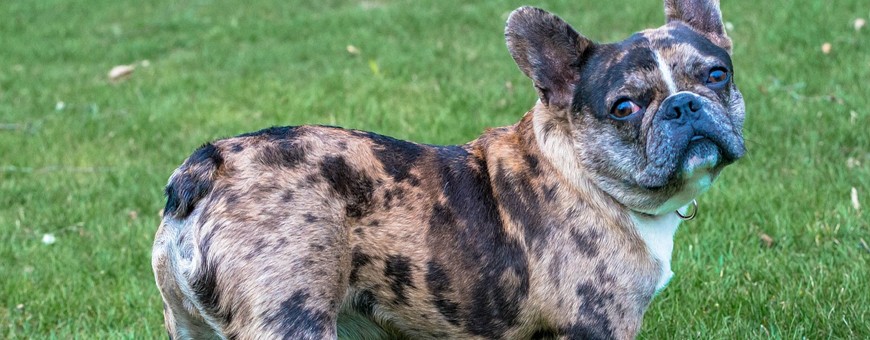
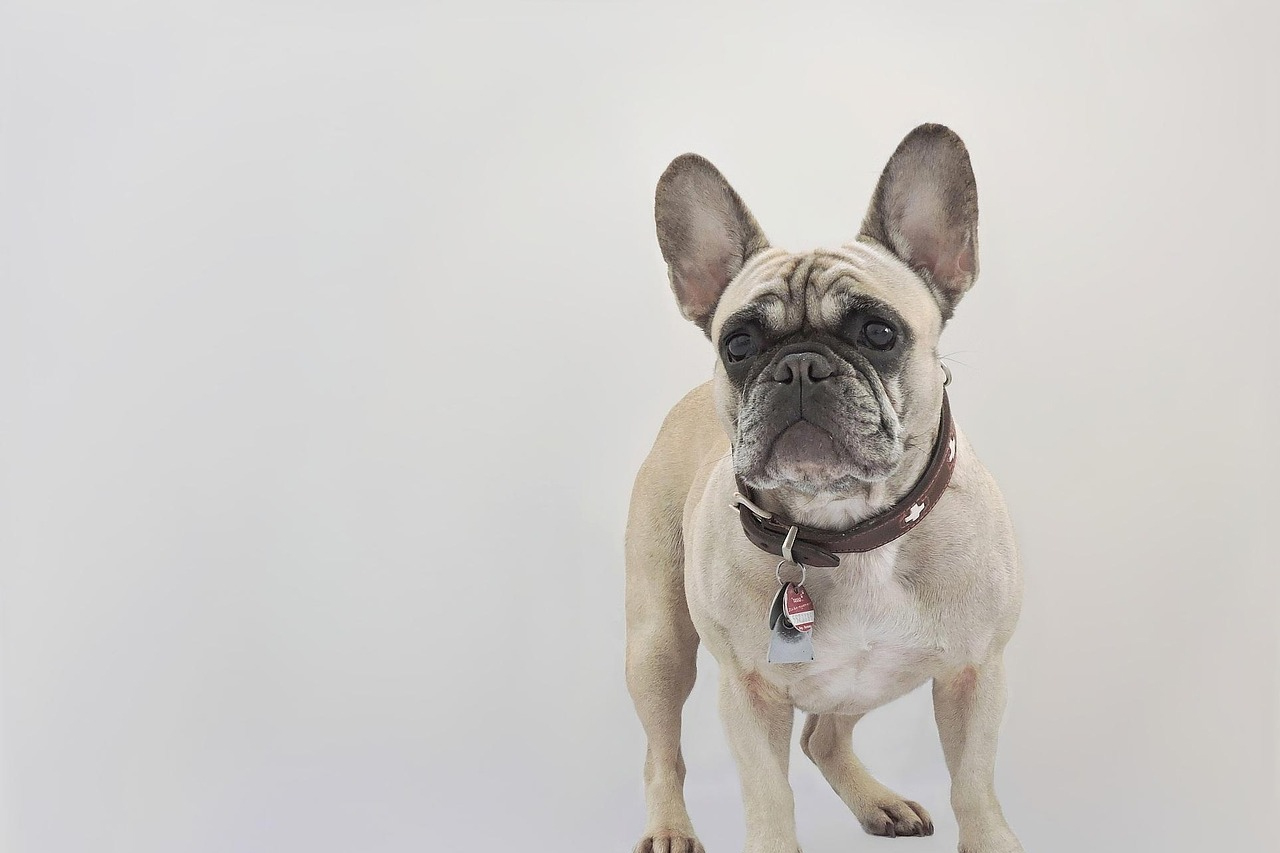
The French Bulldog is a small, muscular companion dog breed. It usually has a compact body, broad chest, strong head, short muzzle and very distinctive upright ears, known as bat ears.
Its popularity is easy to understand: it is a convenient dog for city living, does not need large spaces, is usually affectionate and has a very entertaining personality. Many people choose it because they are looking for a close companion, of manageable size and with moderate energy.
A small, compact and very home-loving dog
One of the great advantages of the French Bulldog is its size. It usually weighs approximately between 8 and 14 kg and stands around 30-33 cm tall, although this can vary depending on the individual dog.
This makes it an interesting option for flats, apartments or small homes. It is not a bulky dog, does not need a huge garden and usually adapts well to calm routines. For people living in the city, this matters a lot.
But small size does not mean “zero responsibility”. Although it does not need to run for hours, it still needs daily walks, stimulation, training and constant care.
The charm of the “Frenchie”: expressive, funny and attached to its family
What makes the French Bulldog so engaging is not only its appearance. It is the way it behaves at home. It has a reputation for being very attached to its people, attentive to what is going on around it and almost theatrical in its expressiveness.
That little “clownish” side is part of its charm. Its gestures, odd postures, intense looks and way of asking for attention make many families feel it is one more member of the household from day one.
However, this same emotional dependence can mean that some French Bulldogs do not cope well with spending too many hours alone. If your routine involves long absences every day, you will need to work properly on independence from puppyhood.

Origin and history of the French Bulldog
The French Bulldog has an interesting history because, although today we clearly associate it with France, its roots are also connected to England. It is believed to descend from small bulldogs that accompanied English workers, especially during migration movements linked to industrialisation.
Over time, these dogs arrived in France, where they were crossed and gained popularity as companion dogs, especially in urban environments. There, much of the current image of the French Bulldog was consolidated.
From England to France: the journey of an iconic breed
The French Bulldog went from being a dog owned by workers and modest families to becoming a highly appreciated animal in urban circles. Its small size, sociable character and unusual appearance helped it spread quickly.
Unlike more athletic or working breeds, the Frenchie developed as a dog very focused on living alongside people. This explains why today it is considered an especially domestic, affectionate breed that depends heavily on human contact.
The French Bulldog as a modern companion dog
Today, the French Bulldog fits very well with many people’s lifestyles: small apartments, urban routines, moderate walks and plenty of indoor life.
But here comes the important nuance: being a companion dog does not mean it is an “easy dog” in every sense. Its health, breathing, weight and heat tolerance require real attention.
Physical characteristics of the French Bulldog
The French Bulldog is easy to recognise. It has a low, strong and compact body, marked musculature and a large head in proportion to the body. Its expression is usually alert, curious and very lively.
Size, weight and general appearance
The French Bulldog is a small but sturdy dog. It does not have a fine or light build: it is compact, broad and muscular. This means that, although it is not large, it gives an impression of solidity.
Its size makes transport, living in small spaces and daily handling easier. But weight must be watched very carefully. An overweight French Bulldog may breathe worse, move with more difficulty and suffer more in the heat.
Bat ears, short muzzle and compact body
Its upright ears are one of its most iconic traits. So is its short muzzle, which is part of its brachycephalic appearance.
And here we need to be honest: that flat muzzle that so many people find adorable is also related to some of its breathing limitations. That is why it should not be pushed into intense exercise or exposed to high temperatures.
Most common colours and coat types
The French Bulldog usually has a short, smooth coat that lies close to the body. This makes coat maintenance relatively simple. Weekly brushing can help remove dead hair and keep the skin in better condition.
Even so, having short hair does not mean it is a dog with no care needs. In this breed, it is often more important to monitor the skin, folds, ears, eyes and general hygiene.
French Bulldog temperament: how it behaves at home
The temperament of the French Bulldog is one of the main reasons for its success. It is usually affectionate, sociable, playful and very attached to its family.
An affectionate, loyal and very family-oriented dog
The French Bulldog tends to form strong bonds with its owners. It likes being close, taking part in family life and feeling included. It is not usually a distant dog.
At home, this is very noticeable. It may follow you from room to room, lie near you while you work or ask for attention with looks, sounds and quite expressive gestures.
Is it good with children, older people and other animals?
In general, it can be a good dog for families, older people or people living alone, as long as it is properly trained and socialised. Its moderate energy makes it more manageable than very active breeds.
With children, interaction should be supervised, as with any dog. It is not enough to say “it is good with children”; the child must be taught to respect the animal, and the dog must be taught to interact calmly.
With other animals, many French Bulldogs socialise well, especially if they are used to them from a young age.
Stubbornness, training and boundaries from puppyhood
One disadvantage worth bearing in mind is that the French Bulldog can be somewhat stubborn. It is not usually an impossible dog to train, but it can have that “I’ll do it if it suits me” attitude.
That is why I recommend working with positive reinforcement, clear routines and boundaries from the beginning. Harshness is not needed, but consistency is. If you always give in because “it is so funny”, correcting habits later can become difficult.
Advantages of having a French Bulldog
The French Bulldog has many virtues, especially for people looking for a calm, affectionate and adaptable companion dog.
It adapts very well to flats and small spaces
Its compact size is one of its greatest advantages. It can live perfectly well in flats or apartments if it has daily walks, a comfortable resting area and enough attention.
In practice, you do not need a huge house for it to be well. You need a stable routine, heat control, good nutrition and time for it.
It does not need intense exercise
Another clear advantage is its low energy level compared with more athletic breeds. The French Bulldog is usually satisfied with short or moderate walks and playtime.
This makes it interesting for people with calm lifestyles. However, “does not need to run” should not be confused with “does not need to move”. Daily walks are still essential.
Its coat is easy to maintain
Its short coat makes maintenance quite simple. It does not require complex grooming or intense daily brushing.
The important thing is not to focus only on the coat. In this breed, real maintenance lies in checking the skin, folds, ears, nails, teeth, weight and possible signs of breathing discomfort.
It is sociable, entertaining and quite alert at home
The French Bulldog usually has a charming personality. It is expressive, funny and very connected to family life.
It can also be quite alert. Although it is not a large or aggressive guard dog, it often warns you if it notices something unusual. This can provide a certain sense of security without making it a difficult dog to control.
Disadvantages of the French Bulldog you should know beforehand
This section is key. The French Bulldog can be a wonderful breed, but it is not perfect. And the sooner you know its delicate points, the better decision you will make.
Breathing problems, heat and physical sensitivity
The French Bulldog is a brachycephalic dog. This means its facial anatomy can make breathing more difficult, especially in heat, stress, excess weight or intense exercise.
It is not a good idea to take it running, do long hikes in summer or leave it in the sun. On hot days, the sensible option is to walk early or late, carry water and avoid any unnecessary effort.
Snoring, drooling and other daily-life details
Many French Bulldogs snore. Some also drool. Not all do it to the same degree, but it is quite common because of their anatomy.
This detail may seem minor until you sleep near one. That is why it is worth accepting it beforehand. If you need absolute silence at night, you may want to think twice.
Veterinary costs and care you should not ignore
The real cost of a French Bulldog does not end when you buy or adopt it. It may need more veterinary visits than other breeds, especially if breathing problems, allergies, dermatitis, eye issues, spinal problems or joint problems appear.
This does not mean that all of them will get sick, but it does mean you should have enough financial margin to care for it properly.
It is not a dog for running or demanding exercise
If you are looking for a companion for running, intense hiking or long training sessions, the French Bulldog is not the best option.
Its ideal lifestyle is more relaxed: moderate walks, controlled play, rest and companionship. In that context, it usually shines.
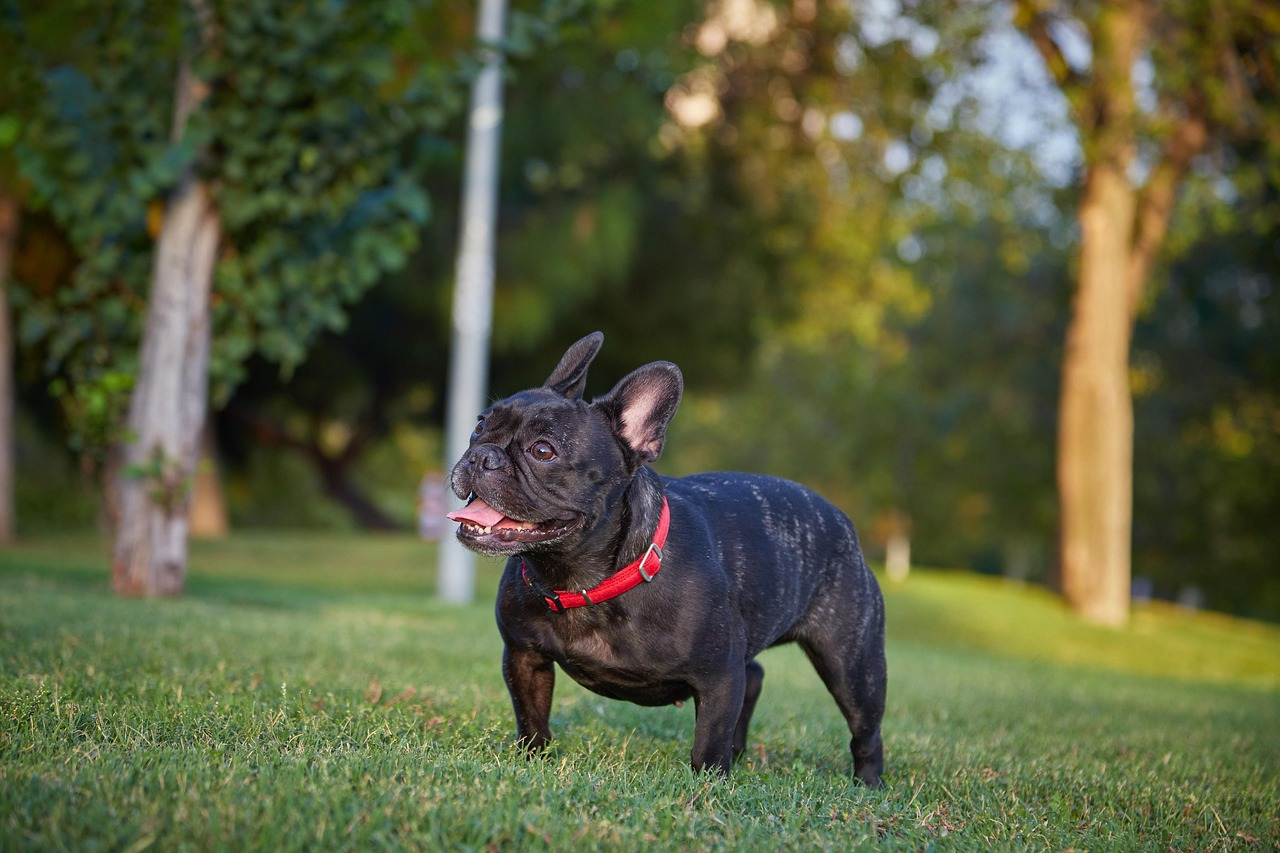
French Bulldog care
French Bulldog care should focus on preventing problems before they appear. This is not a breed to leave “to its own devices” without monitoring weight, breathing, skin and habits.
Walks, play and moderate exercise
The French Bulldog needs to go out every day, but it does not need extreme exercise. Calm walks are ideal, adapted to its age, physical condition and the outdoor temperature.
In summer, be very careful. Short walks early in the morning or at night are better. If you notice excessive panting, unusual tiredness or difficulty breathing, you should stop.
Cleaning folds, ears, teeth and nails
Facial folds can accumulate moisture and dirt. They should be checked and gently cleaned to avoid irritation.
Ears, teeth and nails also need attention. Dental care is often forgotten, but it is important to prevent bad breath, tartar and oral problems.
How to care for its skin and short coat
Its short coat requires little brushing, but its skin can be sensitive. Some French Bulldog lines tend to suffer from allergies or dermatitis.
Weekly brushing, baths only when needed and suitable dog products can help. If there is itching, redness, bad smell or wounds, it is best to consult the vet.
Special care in summer and hot weather
Heat is one of the French Bulldog’s biggest enemies. It should not be left on hot terraces, in cars, in poorly ventilated areas or on very hot surfaces.
On hot days, prioritise shade, fresh water, ventilation and gentle walks. Heatstroke can be very serious in this breed.
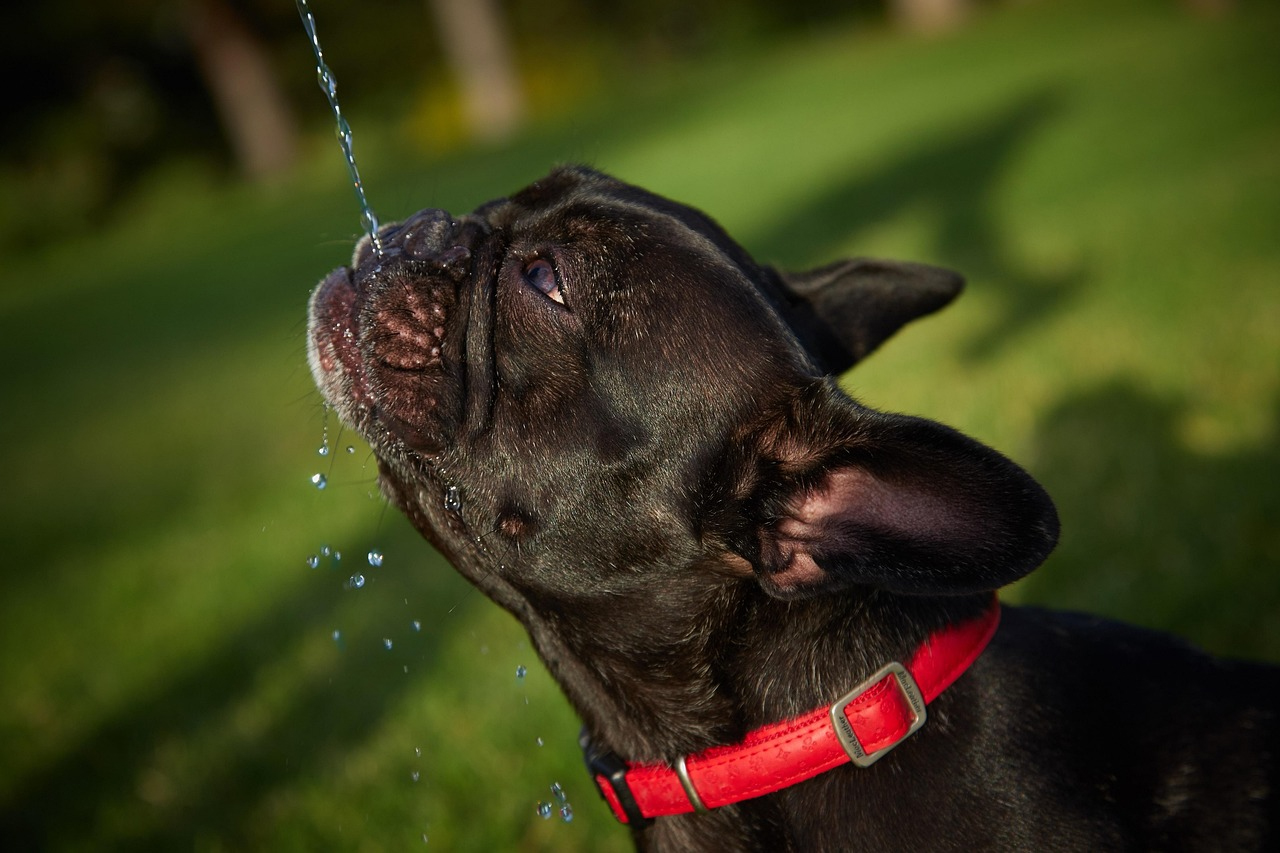
French Bulldog nutrition
A French Bulldog’s diet should help maintain a healthy weight, good digestion and balanced skin. In this breed, choosing the right food is not a minor detail: being overweight can worsen breathing, increase the load on the joints and make heat harder to tolerate.
What should a French Bulldog eat?
The ideal option is a quality diet adapted to its age, weight, activity level and specific needs. This can be dry food, wet food, a natural diet formulated by professionals or well-planned combinations.
The important thing is not to improvise. This breed can have sensitive digestion and a tendency to gas, so food changes should be made gradually.
For small adult French Bulldogs, one option that may fit within a controlled diet is Zen Low Grain Mini Adult 8 kg, a complete food for adult small-breed dogs from 10 months of age.
It is formulated with chicken, fresh chicken, brown rice and high digestibility. It also has an adapted kibble to encourage chewing and help with dental care, something interesting for small dogs.
It also includes ingredients such as apple, flaxseed, carrot, chamomile, broccoli and blueberries as part of its GOOD + FEEL COMPLEX. For an adult French Bulldog, it can be a practical alternative as long as the portion is properly measured and adapted to the dog’s real activity level.
Even so, if your French Bulldog has allergies, sensitive digestion, skin problems, significant excess weight or any diagnosed condition, the wisest thing is to consult the vet before changing its food. And, as always, any transition should be carried out gradually over several days.

How to avoid excess weight
Being overweight is especially dangerous for the French Bulldog because it can worsen breathing and increase the load on joints and spine.
To avoid it:
- Measure portions.
- Limit treats.
- Avoid human food leftovers.
- Maintain daily walks.
- Check its body condition with the vet.
A chubby Frenchie may look funny, but it is not good for its health.
Forbidden or dangerous foods for this breed
A French Bulldog should not eat foods that are dangerous for dogs, such as:
- Chocolate.
- Grapes and raisins.
- Onion and garlic.
- Alcohol.
- Caffeine.
- Cooked bones.
- Very fatty food.
- Ultra-processed products.
- Sweets or foods containing xylitol.
In addition, because of its tendency to digestive issues or allergies, it is best to avoid giving it “a bit of everything” without control.
French Bulldog health: common diseases and problems
Health is one of the most important points to consider before having a French Bulldog. There is no need to be afraid, but it should not be idealised either.
Brachycephalic syndrome and breathing difficulty
Because of its short muzzle, some French Bulldogs may have problems breathing properly. Intense snoring, exercise intolerance, exaggerated panting or fainting should not be normalised.
A French Bulldog may snore, yes. But if it breathes badly, tires quickly or seems to suffer, it needs a veterinary check-up.
Allergies, dermatitis and skin problems
Allergies and skin problems are relatively common in the breed. Itching, redness, excessive licking, repeated ear infections or irritation in folds may appear.
Prevention and early detection are essential here. The sooner it is controlled, the less suffering for the dog.
Eye, joint and spinal problems
Their prominent eyes can be more vulnerable to irritation or injury. Joint or spinal problems may also occur, so sudden jumps, excess weight and inappropriate exercise should be avoided.
A comfortable bed, ramps if it gets on the sofa and weight control can help more than it seems.
When to go to the vet
Consult the vet if you notice:
- Difficulty breathing.
- Excessive panting.
- Frequent vomiting.
- Persistent diarrhoea.
- Intense itching.
- Limping.
- Red or watery eyes.
- Apathy.
- Heat intolerance.
- Sudden behavioural changes.
In this breed, waiting too long can complicate problems that were manageable at first.
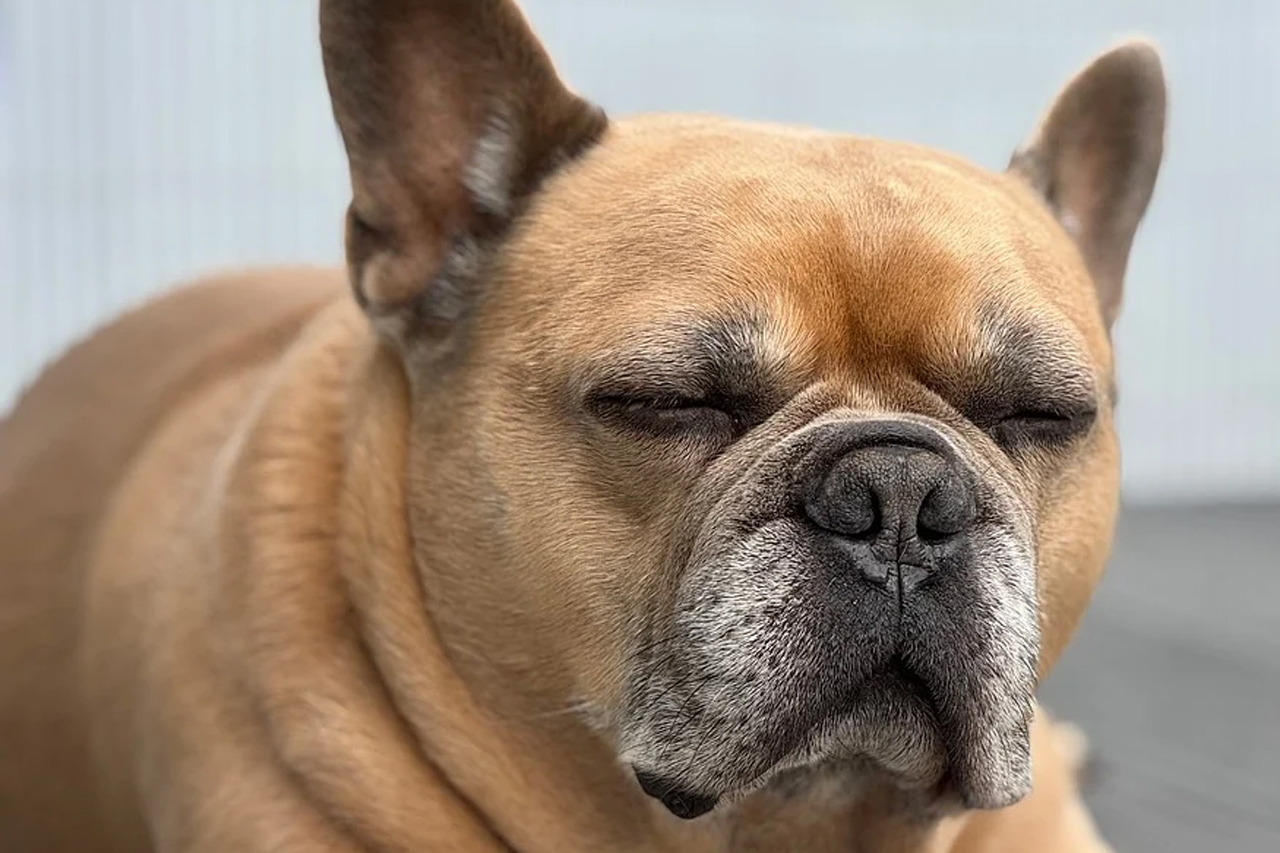
Who is a French Bulldog recommended for?
The French Bulldog can be a great choice, but not for everyone.
Ideal owner profile
It may suit you very well if:
- You live in a flat or small house.
- You are looking for a companion dog.
- You have a calm routine.
- You can dedicate time to it.
- You are not looking for a sporty dog.
- You are willing to take care of its health.
- You can handle veterinary expenses if they arise.
When it may not be the best breed for you
It may not be the ideal breed if:
- You want a dog for running.
- You live in a very hot area and cannot protect it properly.
- You spend many hours away from home.
- You are looking for a very independent dog.
- You do not want to take on possible veterinary costs.
- Snoring bothers you a lot.
French Bulldog in a flat: yes, but with nuances
Yes, the French Bulldog usually adapts well to living in a flat. In fact, its size and moderate energy favour this.
But living in a flat does not mean living without walks, stimulation or training. It needs to go out, sniff, move, socialise and have a healthy routine.
Quick table: advantages and disadvantages of the French Bulldog
| Advantages | Disadvantages |
|---|---|
| Small and compact size | May have breathing problems |
| Ideal for flats | Poor heat tolerance |
| Affectionate and family-oriented temperament | May snore and drool |
| Does not need intense exercise | Can be stubborn |
| Easy-to-maintain coat | Possible high veterinary costs |
| Fun and expressive personality | Not suitable for demanding exercise |
| Usually sociable | Requires monitoring of weight, skin and health |
Frequently asked questions about the French Bulldog
What are the negative traits of the French Bulldog?
The main negative traits of the French Bulldog are its respiratory sensitivity, low heat tolerance, tendency to gain weight, possible skin, eye, spinal or joint problems, snoring, drooling and potentially high veterinary costs.
It is not a bad breed; it is simply a breed that needs informed owners.
How delicate is the French Bulldog?
The French Bulldog can be delicate, especially because of its brachycephalic anatomy. Its breathing must be looked after, heat avoided, weight controlled and skin, ears, eyes and joints checked.
This does not mean that all French Bulldogs are ill, but it does mean prevention is better than improvisation.
What care does a French Bulldog need?
It needs moderate walks, controlled feeding, cleaning of folds, ear checks, dental care, weekly brushing, weight control, protection from heat and veterinary check-ups.
It also needs companionship, training and clear boundaries from puppyhood.
Where should my French Bulldog sleep at night?
Ideally, it should sleep in a comfortable bed, in a quiet, well-ventilated area with a stable temperature. Avoid places that are too hot, cold or damp.
If it snores heavily or has difficulty breathing while sleeping, it is advisable to consult the vet.
What foods can French Bulldogs not eat?
They should not eat chocolate, grapes, raisins, onion, garlic, alcohol, caffeine, cooked bones, very fatty food, sweets, products containing xylitol or heavily seasoned leftovers.
In addition, if it has allergies or sensitive digestion, it is best to follow a planned diet.
How long does a French Bulldog live?
Life expectancy can vary depending on genetics, health, weight, care and quality of life. A well-cared-for French Bulldog can live many years, but its wellbeing depends heavily on veterinary prevention, nutrition and control of heat and excess weight.
What dog food could suit an adult French Bulldog?
For a small adult French Bulldog, a complete food for adult mini-breed dogs with adapted kibble and good digestibility may be suitable. Zen Low Grain Mini Adult 8 kg can be an option within a controlled diet, always adjusting portions and consulting the vet if there are allergies, digestive problems, sensitive skin or excess weight.
Is it worth having a French Bulldog?
Yes, the French Bulldog can be very worthwhile if you are looking for a small, affectionate, entertaining, family-friendly dog that adapts well to life at home. It is a breed with a huge amount of charm and a personality that hooks you.
But I would not choose it blindly. Before having one, you need to understand its limits: it does not tolerate heat well, it is not a sporty dog, it may snore, it can be stubborn and it may require significant veterinary expenses.
Nutrition should also be chosen carefully. In an adult French Bulldog, a formula adapted to small dogs, digestible and with suitable kibble can help maintain a more controlled routine. Products such as Zen Low Grain Mini Adult 8 kg may fit if the dog tolerates them well and the portion is adjusted to its weight, age and activity.
For me, the key is this: the French Bulldog is a fantastic dog for someone who wants companionship and is willing to care for it sensibly. If you only like it because of how cute it is, perhaps you should think twice. If you also understand its needs, it can become an extraordinary companion.
Leave a Reply Cancel Reply