




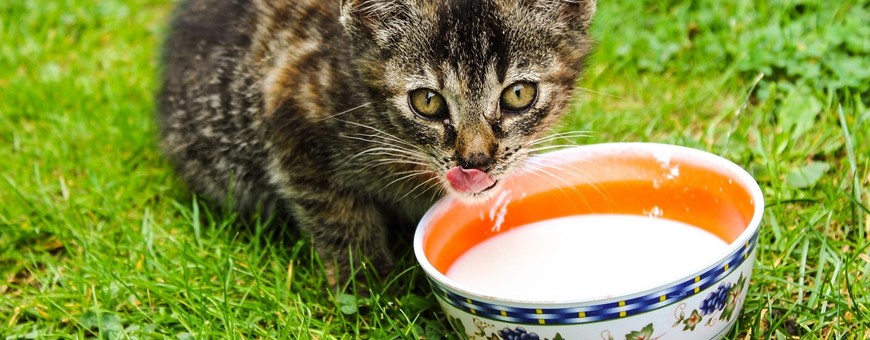
Milk for baby kittens: which one a kitten can drink and how to prepare it properly.
When we talk about milk for baby kittens, we are not talking about giving the kitten “a little bit of milk” and that’s it. In a newborn kitten, especially if it is orphaned, rejected by its mother or unable to nurse properly, milk is literally its main source of energy, hydration and development.
That is why the quick answer is this: a baby kitten should drink kitten milk replacer specifically formulated for kittens, not cow’s milk, not boiled milk as a regular solution and not human infant formula unless specifically recommended by a veterinarian.
In my case, when I review a kitten milk formula, I look at something very basic: that it is formulated according to the natural composition of feline mother’s milk, that it dissolves well and that it does not leave lumps. It may seem like a minor detail, but when you have to prepare a bottle feeding, texture matters a lot. Poorly dissolved milk can make feeding harder and cause the kitten to swallow less comfortably.
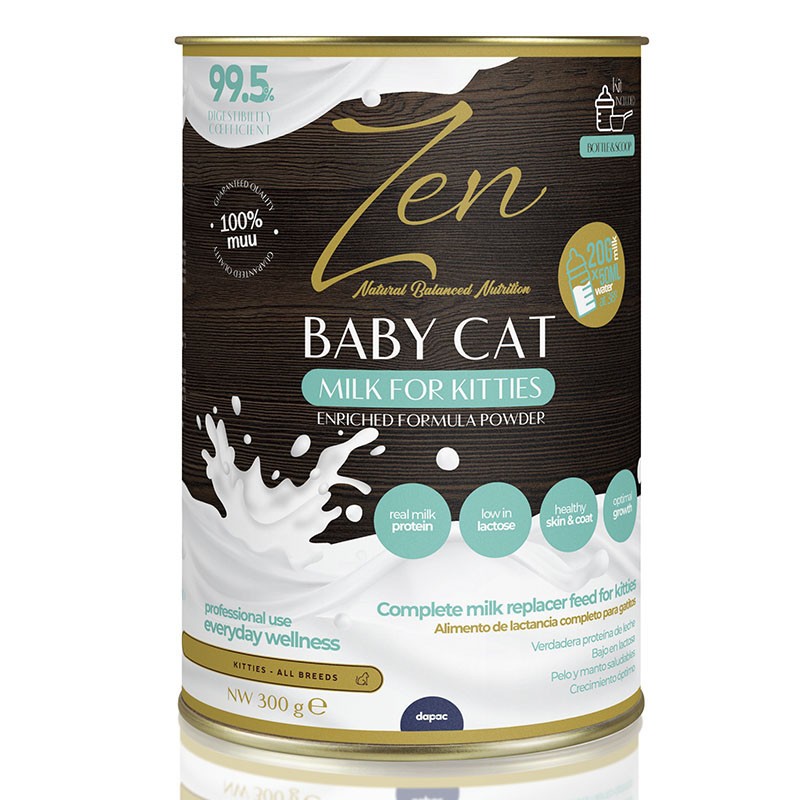
One option that fits those criteria very well is Zen Baby Cat Milk 300 g, a kitten milk replacer developed to complement or replace mother’s milk. The container includes a 300 g sachet, a bottle and a measuring scoop, which is especially practical when frequent feedings are needed. The brand also indicates 99.5% digestibility, low lactose content and real milk protein.
The idea is simple: the smaller the kitten, the less room there is for improvisation. A newborn kitten has an immature digestive system, needs concentrated nutrients and requires hygienic, warm and safe preparation.
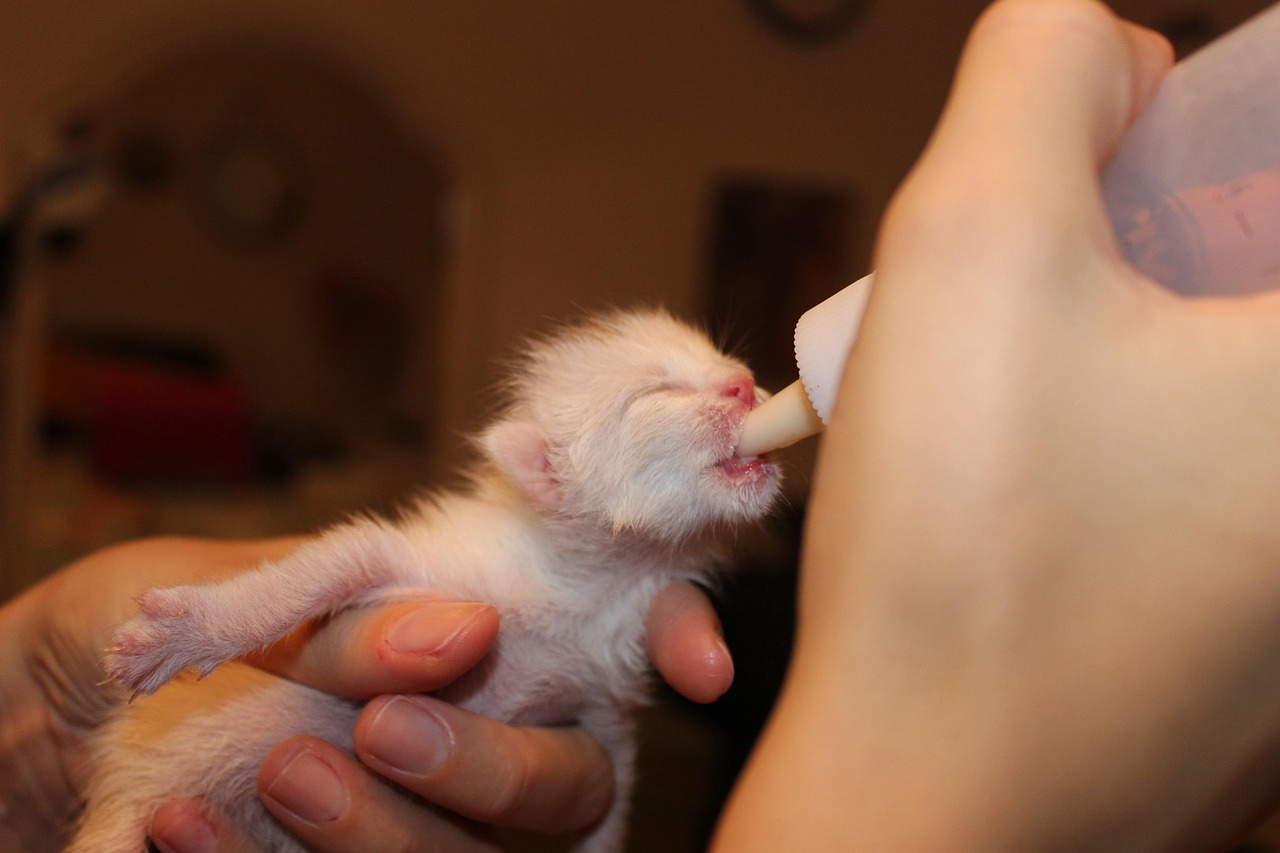
What type of milk can a baby kitten drink?
A baby kitten can drink kitten milk replacer, also called kitten formula, powdered milk for baby kittens or feline mother’s milk substitute.
This type of milk is designed to meet the needs of a kitten during the nursing stage. It usually provides proteins, fats, vitamins, minerals and trace elements in more suitable proportions than regular milk. It is not a marketing gimmick: a kitten does not need the same nutrition as a human, a cow or an adult cat.
Why it should be kitten milk replacer
Kitten milk replacer is designed to resemble, as closely as possible, what the kitten would receive from its mother. This is important because during the first weeks of life the kitten grows very quickly: it needs energy, fats, quality proteins and micronutrients to develop muscles, bones, the immune system and digestion.
In the case of Zen Baby Cat Milk for kitties, the formula is developed according to the natural composition of mother’s milk, with vitamins, minerals, trace elements and high-quality proteins for fast absorption. It also stands out for its quick dissolution, easy digestive absorption and low-temperature pasteurization process.
Difference between kitten milk and cow’s milk
Cow’s milk is not a good option for baby kittens. Its composition is not adapted to the growth of a newborn kitten and may cause digestive problems or nutritional deficiencies. Even if a cat accepts it or seems to like it, that does not mean it is suitable.
Kitten milk is formulated for their species. Cow’s milk, on the other hand, is intended for calves. That is the key difference.
In addition, many cats lose the ability to digest lactose well after weaning. In very young kittens, the situation is different because they are still in the nursing stage, but that does not make every type of milk valid. Lactose is not the only important factor: proteins, fats, minerals and the overall balance of the formula also matter.
Is boiled milk good for cats?
Boiling milk does not make it suitable for baby kittens. It may reduce certain microbiological risks, but it does not correct its nutritional composition. In other words, boiled cow’s milk is still not kitten milk replacer.
If you have a newborn kitten and do not have kitten formula, the safest thing to do is contact a veterinarian or an animal rescue organization as soon as possible to get a safe alternative.
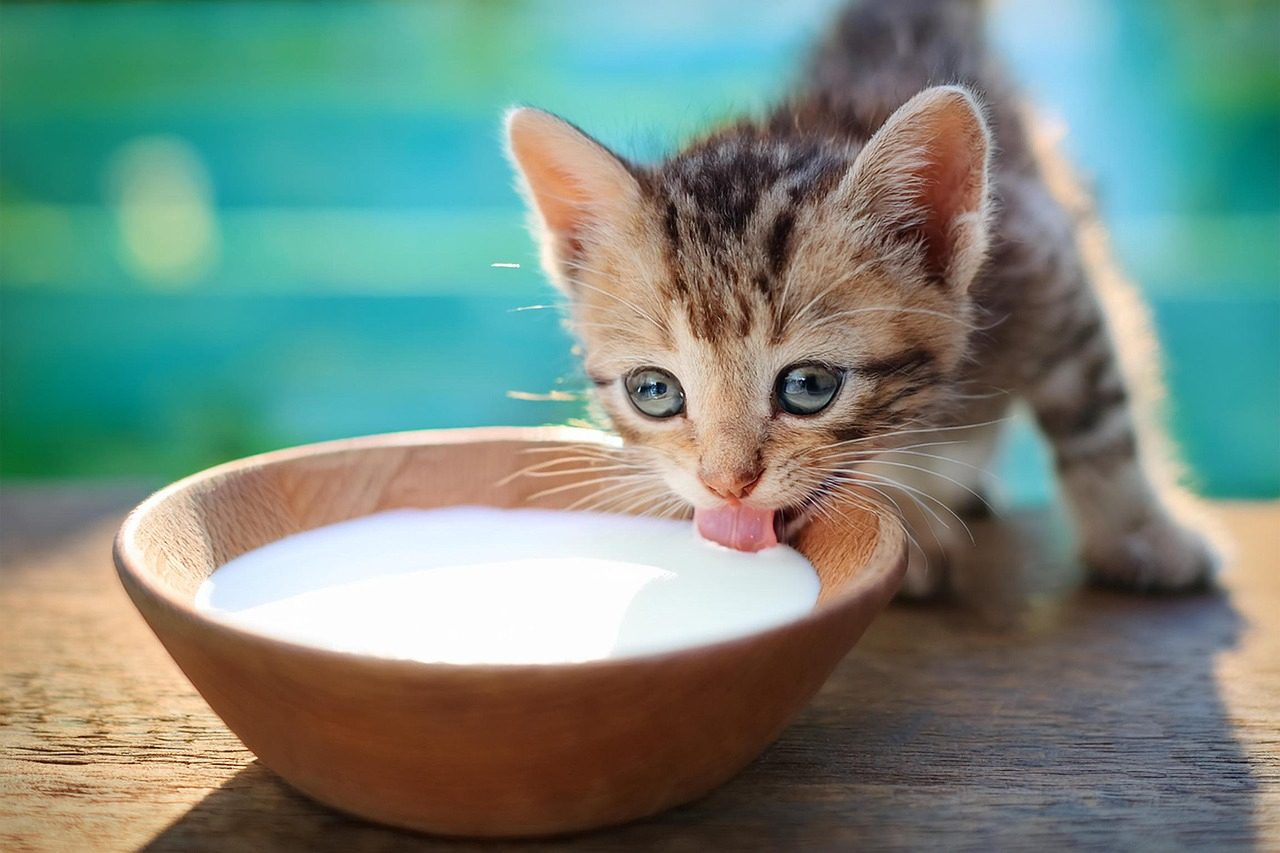
What milk can you give a newborn kitten?
A newborn kitten should be given kitten milk replacer specifically formulated for newborn kittens. Ideally, it should be a good-quality powdered formula that is easy to prepare, digestible and suitable for frequent feedings.
This should be made very clear: a newborn kitten without its mother cannot wait too long. It needs warmth, food and stimulation to relieve itself. Milk is only one part of care, but it is a fundamental part.
Orphaned kittens or kittens without their mother
When a kitten does not have its mother, kitten milk replacer becomes its main food substitute. In these cases, it is not advisable to improvise with homemade recipes or cow’s milk. The safest option is to use a specific formula for kittens and follow the preparation instructions.
This is where Zen Baby Cat Milk 300 g fits very well because it is specifically developed to complement or replace mother’s milk and provides essential nutrients for the kitten’s development. It also includes a bottle and measuring scoop, which makes the first feedings much easier when you do not have supplies ready at home.
In my case, I highly value milk that dissolves quickly and without lumps, because an orphaned kitten usually needs frequent feedings. If every feeding is difficult to prepare or poorly mixed, mistakes become more likely: milk that is too thick, too diluted, too cold or with undissolved residue.
Large litters or rejection by the mother
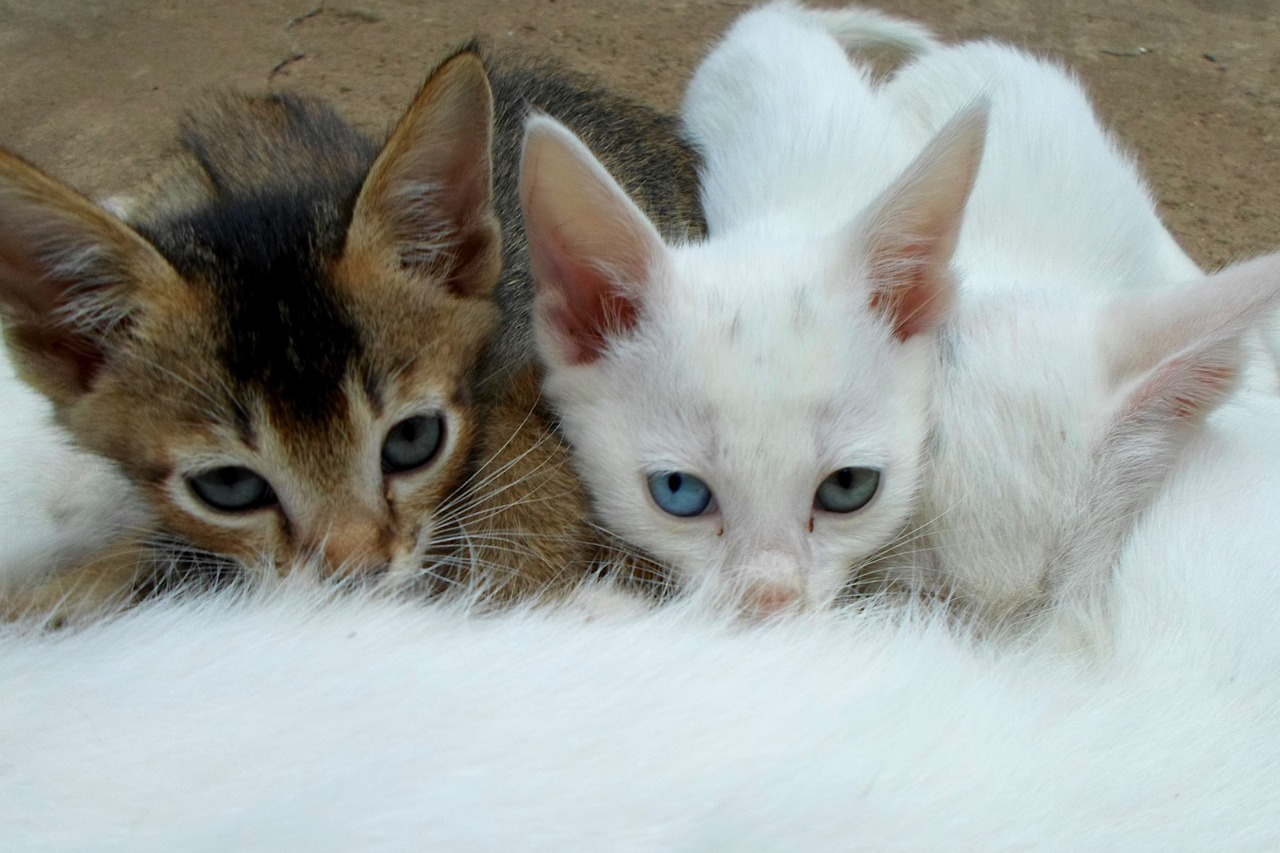
It can also happen that the mother is present, but not all kittens manage to nurse properly. In large litters, some kittens fall behind. Other times, the mother rejects one of them, does not produce enough milk or is ill.
In these situations, milk for baby kittens can be used as support. It does not always mean replacing the entire nursing process, but it can help ensure the kitten receives enough food.
Weak kittens or kittens with trouble nursing
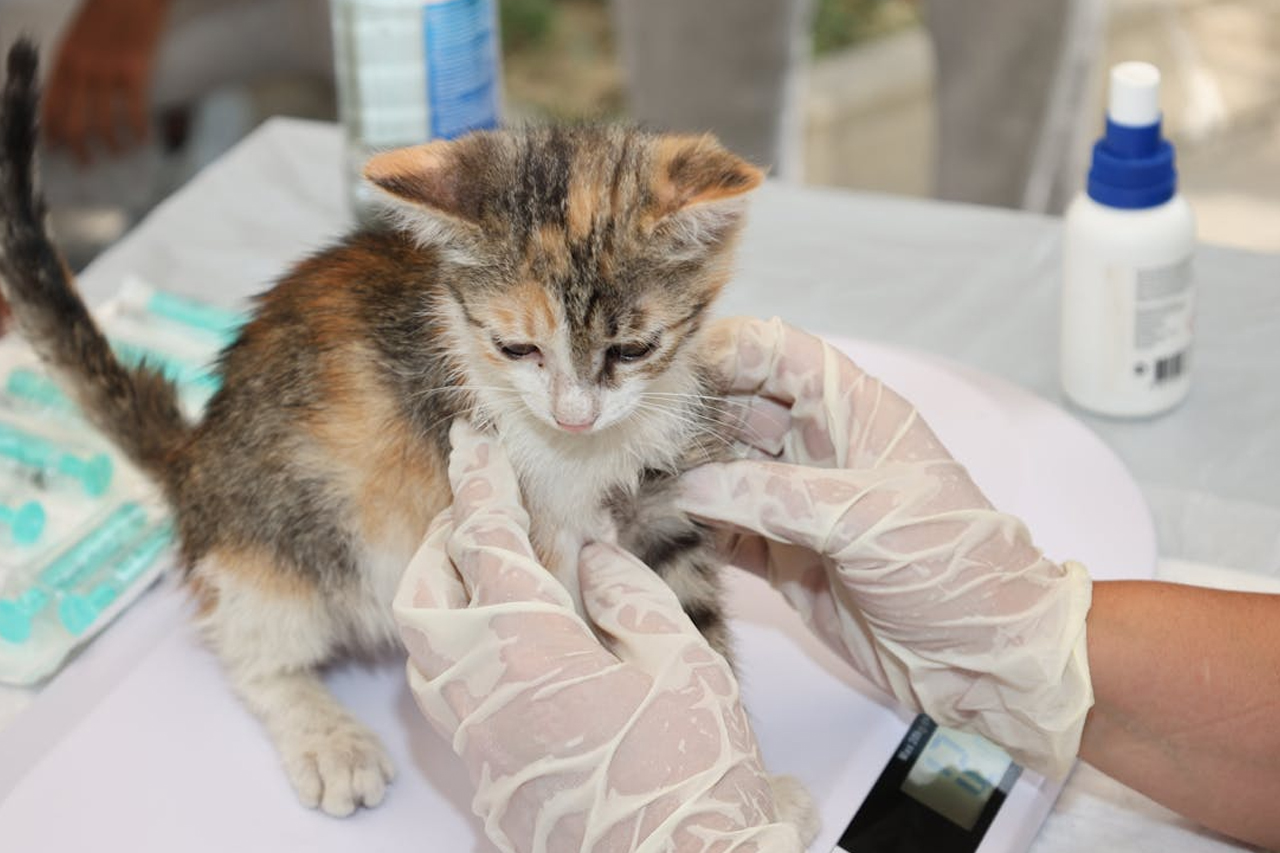
A weak kitten, one with low weight or one that falls asleep while trying to nurse may need help. In these cases, it is not enough to simply put milk in front of it: you need to check whether it suckles properly, maintains body temperature and gains weight.
If the kitten does not eat, cries constantly, is cold, has diarrhea or does not gain weight, it is best to go to the veterinarian. In newborns, problems progress quickly.
What to do if I don’t have milk for a baby kitten
If you do not have milk for a baby kitten, the priority is to get kitten milk replacer as soon as possible. In the meantime, it is not advisable to give cow’s milk as a normal solution or to invent mixtures without supervision.
I know that when a newborn kitten without a mother appears, the first reaction is to look for “something to give it right away.” That is understandable. But at this stage, poor feeding can cause diarrhea, dehydration or digestive problems.
What can you use if you don’t have kitten formula?
The safest thing is to call a veterinarian, an emergency clinic or an animal rescue organization. They can often recommend a safe temporary solution depending on the kitten’s age, condition and weight.
As a general rule, kitten milk replacer is the correct option. Lactose-free milk or plain yogurt may appear in recommendations for adult cats in specific situations, but they are not a suitable base for feeding a newborn kitten.
Why homemade milk for baby kittens should not be the usual solution
Homemade recipes are very common online, but they have one problem: it is very difficult to achieve the correct balance of proteins, fats, minerals and energy. A baby kitten does not just need “something white that looks like milk.” It needs an appropriate composition to grow.
That is why, although a homemade recipe may be considered as a one-off emergency option under professional guidance, it should not replace kitten milk replacer.
When to go to the veterinarian urgently
Go to the veterinarian as soon as possible if the kitten:
- Does not suckle.
- Is cold or very weak.
- Has diarrhea.
- Vomits.
- Cries nonstop.
- Has a swollen abdomen.
- Does not gain weight.
- Seems dehydrated.
In newborn kittens, waiting “to see if it improves” can be risky.
What should a good milk for baby kittens contain?
A good milk for baby kittens should be complete, digestible, easy to prepare and safe. It is not enough for the packaging to say “for kittens”: it is worth checking the composition, instructions and product quality.
Proteins, fats, vitamins and minerals
Kittens need a nutrient-rich formula. For example, milk with high-quality proteins, moderate fats, vitamins, minerals and trace elements helps cover growth needs.
In the case of Zen Baby Cat Milk, the indicated composition includes skimmed milk powder, vegetable oils, whey, wheat starch, vitamins, minerals and trace elements. Its analytical constituents list 26% protein, 23% fat and 7% inorganic matter. These types of details help assess the formula better, beyond just the commercial name.
Easy digestion and fast absorption
The digestive system of a baby kitten is still maturing. That is why I think it is important to choose a milk formula that stands out for easy absorption and is designed for sensitive digestion.
A heavy, poorly prepared or non-specific formula may cause diarrhea, gas or discomfort. And in a small kitten, diarrhea is not a minor issue: dehydration can happen quickly.
Zen Baby Cat Milk indicates 99.5% digestibility and low lactose content, two interesting points when looking for a kitten milk replacer that is easy to assimilate.
Quick dissolution without lumps
This point sounds very practical, and it is. Milk that dissolves quickly avoids lumps, makes bottle use easier and makes feeding more comfortable.
In my case, this is one of the details I value most: when the milk mixes well, feeding flows better and mistakes are reduced. Also, if you need to prepare several feedings a day, ease of preparation really matters.
Zen Baby Cat Milk stands out precisely for its quick dissolution without lumps, which is very useful when you need to prepare the feeding quickly and without complications.
Veterinary control and formula quality
It also inspires confidence when the formula has veterinary control, a careful production process and no genetically modified ingredients, if that is an important criterion for you.
Products such as Zen Baby Cat Milk mention a low-temperature pasteurization process to preserve the properties of milk protein and veterinary control in every production batch.
Zen Baby Cat Milk 300 g: a practical option for kittens
If you are looking for a specific option, Zen Baby Cat Milk 300 g is a kitten milk replacer that I find especially practical for three reasons: it comes with a bottle, includes a measuring scoop and has clear preparation instructions.
Also, because it is designed to complement or replace mother’s milk, it fits the most common cases: orphaned kittens, kittens that cannot nurse well, large litters or situations where the mother does not produce enough milk.
View product:
Zen Baby Cat Milk 300 g at DAPAC
How to prepare milk for baby kittens step by step
Preparation is almost as important as choosing the milk. A good formula that is poorly prepared can cause discomfort, lose quality or be rejected by the kitten.
Amount of milk powder and water
Always follow the manufacturer’s instructions. In the case of Zen Baby Cat Milk, the indicated preparation is to mix 20 g of milk powder in 50 ml of hot water at 60 ºC, stir vigorously and offer the milk at an ideal temperature of 38 ºC.
| Step | Instruction for Zen Baby Cat Milk |
|---|---|
| Mixture | 20 g of milk powder + 50 ml of water |
| Water | Hot, at 60 ºC |
| Feeding temperature | 38 ºC |
| Utensil | Bottle included in the kit |
| Storage | Do not store from one feeding to another |
Ideal temperature before bottle feeding
The ideal temperature for offering milk is usually close to body temperature. In the case of Zen Baby Cat Milk, the instruction is to serve it at 38 ºC.
It should not be cold, because it may be rejected and cause discomfort. It should not be too hot either, because it could burn the kitten. Always check the temperature before offering the bottle.
Why you should not save milk from one feeding to another
This point is essential: you should not keep milk from one feeding for the next. Once prepared and used, it may become contaminated or lose safety.
Zen Baby Cat Milk also expressly indicates that milk should not be stored from one feeding to another. In my case, I prefer preparing only the amount needed and discarding any leftovers. It is more work, yes, but with baby kittens, hygiene is non-negotiable.
How to feed a baby kitten without its mother
Feeding a baby kitten without its mother requires patience, cleanliness and close attention. It is not just about giving milk: you also need to take care of posture, temperature, feeding rhythm and weight progress.
How to bottle-feed correctly
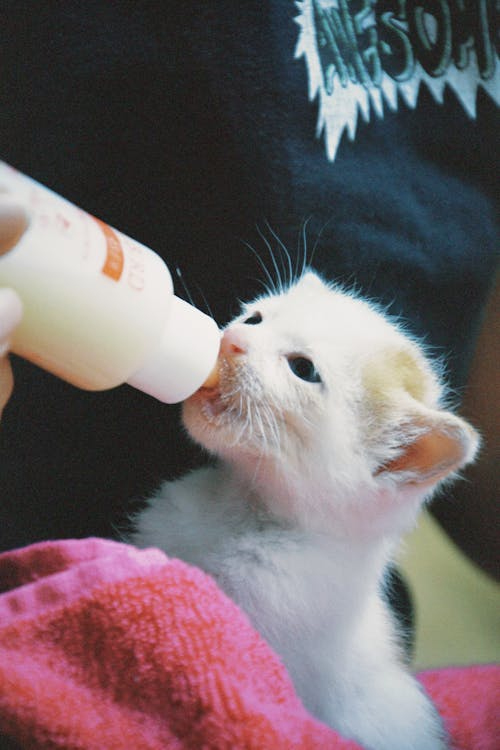
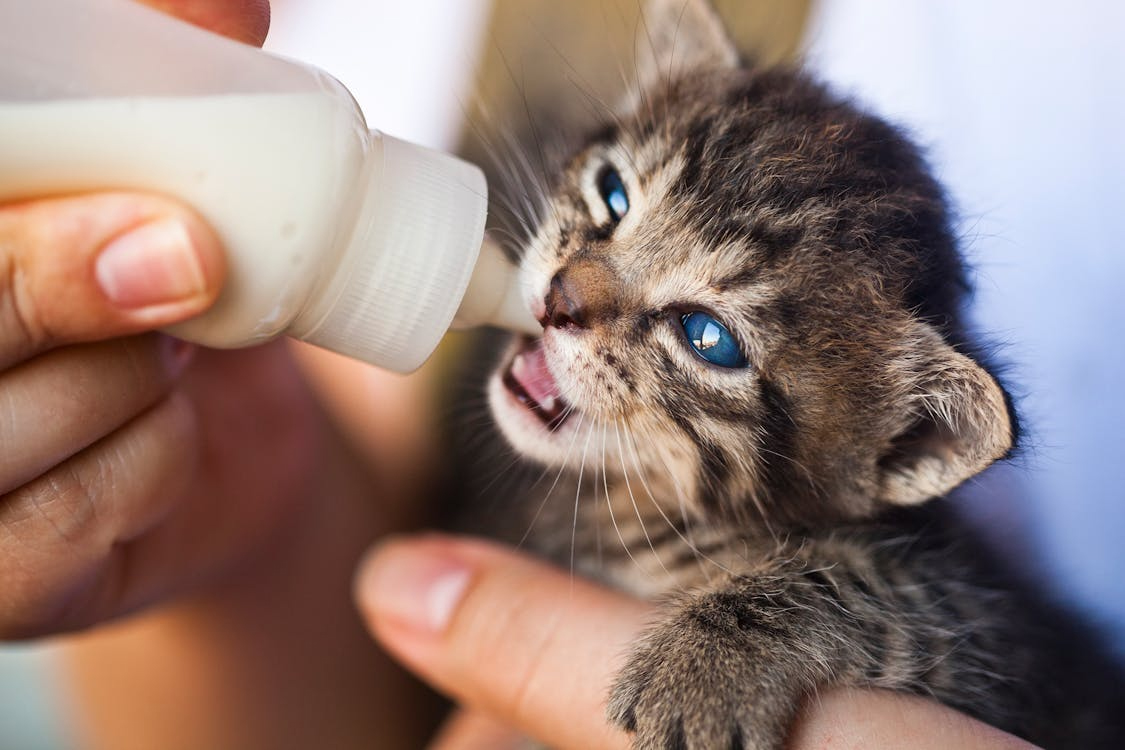
The kitten should be in a natural position, belly down, as if it were nursing from its mother. Do not place it on its back like a human baby, because it could choke or aspirate milk.
Feeding should be calm. Do not force the bottle or squeeze it so that too much milk comes out. The kitten should suckle at its own pace.
Feeding frequency
The frequency depends on the kitten’s age, weight and condition. Newborns usually need frequent feedings, including during the night. Ideally, you should follow veterinary guidance, especially if the kitten is very small or weak.
As a practical rule: if in doubt, weigh the kitten daily. Weight is one of the best indicators of whether it is eating enough.
What is the 3-3-3 rule for kittens and when does it apply?
The so-called “3-3-3 rule” is sometimes used in the context of cats adapting to a new home: 3 days to decompress, 3 weeks to adapt better and 3 months to feel truly settled.
It is not a neonatal feeding rule. So, when talking about a baby kitten without its mother, it should not be confused with nursing guidelines. For feedings, quantities and frequency, it is better to use veterinary instructions based on age and weight.
Digestive problems: intolerance, allergy and warning signs
Milk and cats always raise questions. Many people have seen cats drinking milk in movies, cartoons or advertisements, but that does not mean it is the most recommended option.
Why many cats do not digest lactose well
During nursing, kittens produce lactase, the enzyme that helps digest lactose. After weaning, that production usually decreases. That is why many adult cats do not tolerate milk well.
In baby kittens, the main issue is not only lactose, but giving them milk that does not match their needs. That is why specific kitten milk replacer is the appropriate option.
Symptoms of milk intolerance
Some symptoms of poor digestion or intolerance may include:
- Diarrhea.
- Gas.
- Abdominal swelling.
- Vomiting.
- Nausea.
- Discomfort.
- Refusal to feed.
If diarrhea appears in a baby kitten, I would not ignore it. It can become dehydrated quickly.
When to consult the veterinarian
Consult the veterinarian if the kitten vomits, has diarrhea, does not eat, does not gain weight, is apathetic or shows difficulty breathing.
It is also important to distinguish digestive intolerance from a possible allergy. An allergy may involve the immune system and cause more serious symptoms, such as itching, hives, vomiting, severe diarrhea or breathing difficulty.
Can kitten milk be used for adult or senior cats?
Kitten milk is mainly designed for young kittens in the nursing stage. Still, some formulas may be used in specific cases of senior or adult cats with feeding difficulties, always with proper judgment.
Specific cases of feeding difficulty
The information for Zen Baby Cat Milk mentions that, thanks to its moderate fat content, it can also be used with senior cats that have feeding difficulties.
This may make sense in specific situations: older cats with low appetite, difficulty eating or a need for temporary nutritional support. But it should not be used as a permanent substitute for a complete diet without veterinary assessment.
Why it should not replace a complete diet
An adult cat needs food adapted to its age, weight, health and activity level. Milk can be occasional support, but it should not become the foundation of its diet.
A cat’s main diet should focus on nutrients suitable for carnivores, especially animal-based proteins and fats.
Common mistakes when choosing or preparing milk for baby kittens
These mistakes are more common than they seem, especially when someone finds a kitten in an emergency and wants to help quickly.
Giving cow’s milk
This is the classic mistake. Cow’s milk is not suitable for baby kittens. It can cause digestive problems and does not provide the nutritional balance they need.
Preparing it with lumps
Milk with lumps can clog the bottle, make feeding difficult and prevent the kitten from receiving a homogeneous mixture.
That is why I like a formula that dissolves quickly. In a real feeding situation, you do not want to be fighting with the powder while the kitten is crying.
Serving it too cold or too hot
The milk should be served warm, around body temperature. If it is cold, it may cause discomfort or be rejected. If it is hot, it may burn.
Reusing prepared milk
Do not store leftover milk from one feeding for another. Prepare, offer and discard what remains. Hygiene is essential.
Quick table: what milk can a baby kitten drink?
| Type of milk | Recommended for baby kitten? | Comment |
|---|---|---|
| Kitten milk replacer | Yes | The appropriate option |
| Zen Baby Cat Milk 300 g | Yes | Kitten milk replacer with bottle and scoop included |
| Powdered milk specifically for kittens | Yes | Ideal if well formulated |
| Cow’s milk | No | Does not properly meet their needs |
| Boiled milk | Not as a regular solution | Boiling does not correct the composition |
| Lactose-free milk | Not as a base for newborns | May be used occasionally in adults, not as neonatal formula |
| Human infant formula | No, unless advised by a veterinarian | Not formulated for kittens |
| Homemade recipes | Only in emergencies with supervision | Better to obtain a specific formula |
Conclusion
The best milk for baby kittens is a kitten milk replacer specifically formulated for kittens, prepared correctly, offered at the right temperature and handled with strict hygiene measures.
It is not advisable to give cow’s milk, boiled milk or homemade solutions as regular feeding. In newborn kittens, the safe approach is to use an adapted formula and consult a veterinarian if there is weakness, diarrhea, vomiting, refusal to feed or lack of weight gain.
In my case, I focus on three basic criteria: that the formula is close to feline mother’s milk, that it is digestible and that it prepares without lumps. Zen Baby Cat Milk 300 g fits this approach very well because it is a kitten milk replacer, dissolves quickly, includes a bottle and scoop, and has clear preparation instructions to avoid improvisation.
Buy Zen Baby Cat Milk 300 g and keep a kitten milk replacer on hand that is easy to prepare, digestible and designed to complement or replace mother’s milk when the kitten needs it.
Frequently asked questions about milk for baby kittens
What type of milk can a baby kitten drink?
A baby kitten should drink kitten milk replacer specifically formulated for kittens. It is the option designed to cover their needs during nursing.
What baby formula can you give a cat?
Human infant formula is not recommended for a baby kitten unless advised by a veterinarian. The right option is to use milk for newborn kittens.
What should I give a baby kitten if I don’t have milk?
The best thing to do is contact a veterinarian, emergency clinic or animal rescue organization to get kitten milk replacer as soon as possible. Do not use cow’s milk as a regular solution.
How do you make homemade milk for baby kittens?
Homemade recipes should not be the normal option because it is difficult to properly balance nutrients, fats, proteins and minerals. They should only be considered as a one-off emergency measure with veterinary guidance.
What can you use if you don’t have kitten formula?
The priority is to get a specific formula. In the meantime, ask for professional advice according to the kitten’s age and condition. Not all alternatives are safe for newborns.
What is the 3-3-3 rule for kittens?
The 3-3-3 rule usually refers to a cat’s adaptation to a new home: 3 days, 3 weeks and 3 months. It is not a feeding guideline for nursing kittens.
Is boiled milk good for cats?
Not as a solution for feeding a baby kitten. Boiling milk does not make it an appropriate formula for kittens.
How do you feed a baby kitten without its mother?
Use kitten milk replacer, an appropriate bottle, belly-down posture, frequent feedings, warm milk and daily weight monitoring. It is also advisable to consult a veterinarian.
Is Zen Baby Cat Milk suitable for newborn kittens?
Yes, it is a kitten milk replacer developed to complement or replace mother’s milk, so it fits cases where kittens cannot nurse, large litters or absence of the mother.
How do you prepare Zen Baby Cat Milk?
Mix 20 g of milk powder with 50 ml of hot water at 60 ºC, stir vigorously and offer it at an ideal temperature of 38 ºC. It should not be stored from one feeding to another.
Leave a Reply Cancel Reply